Treasure Is Land
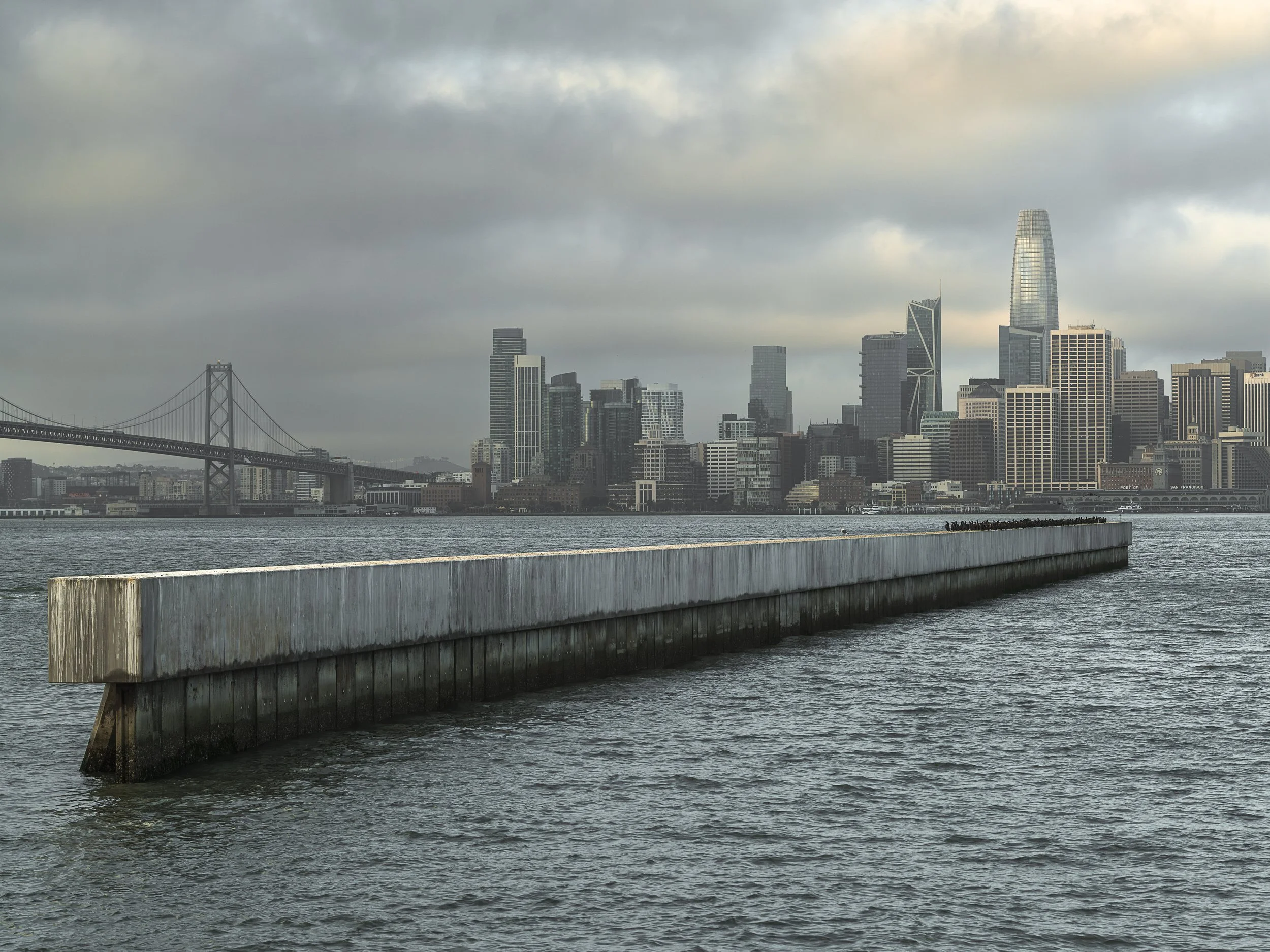
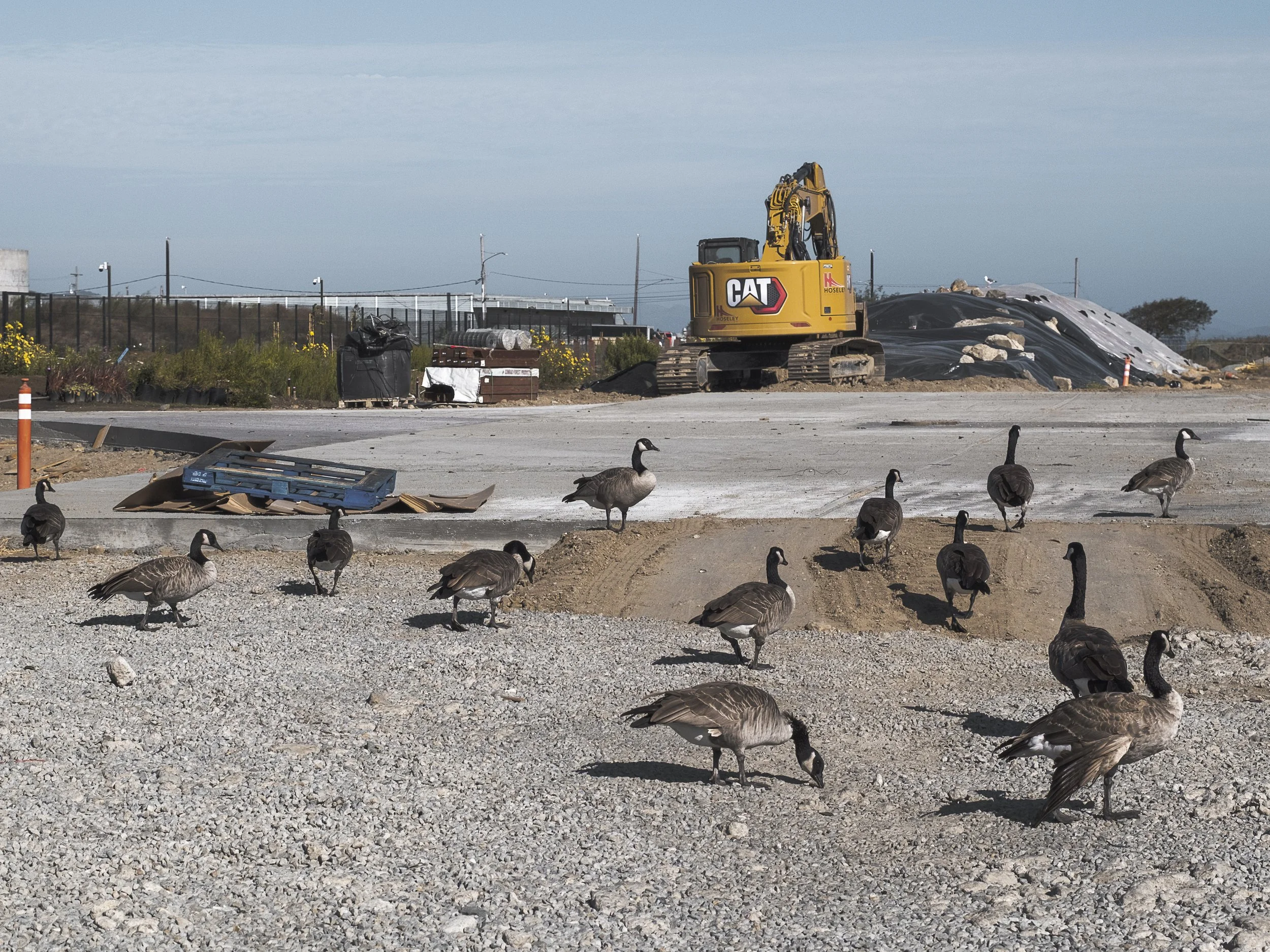
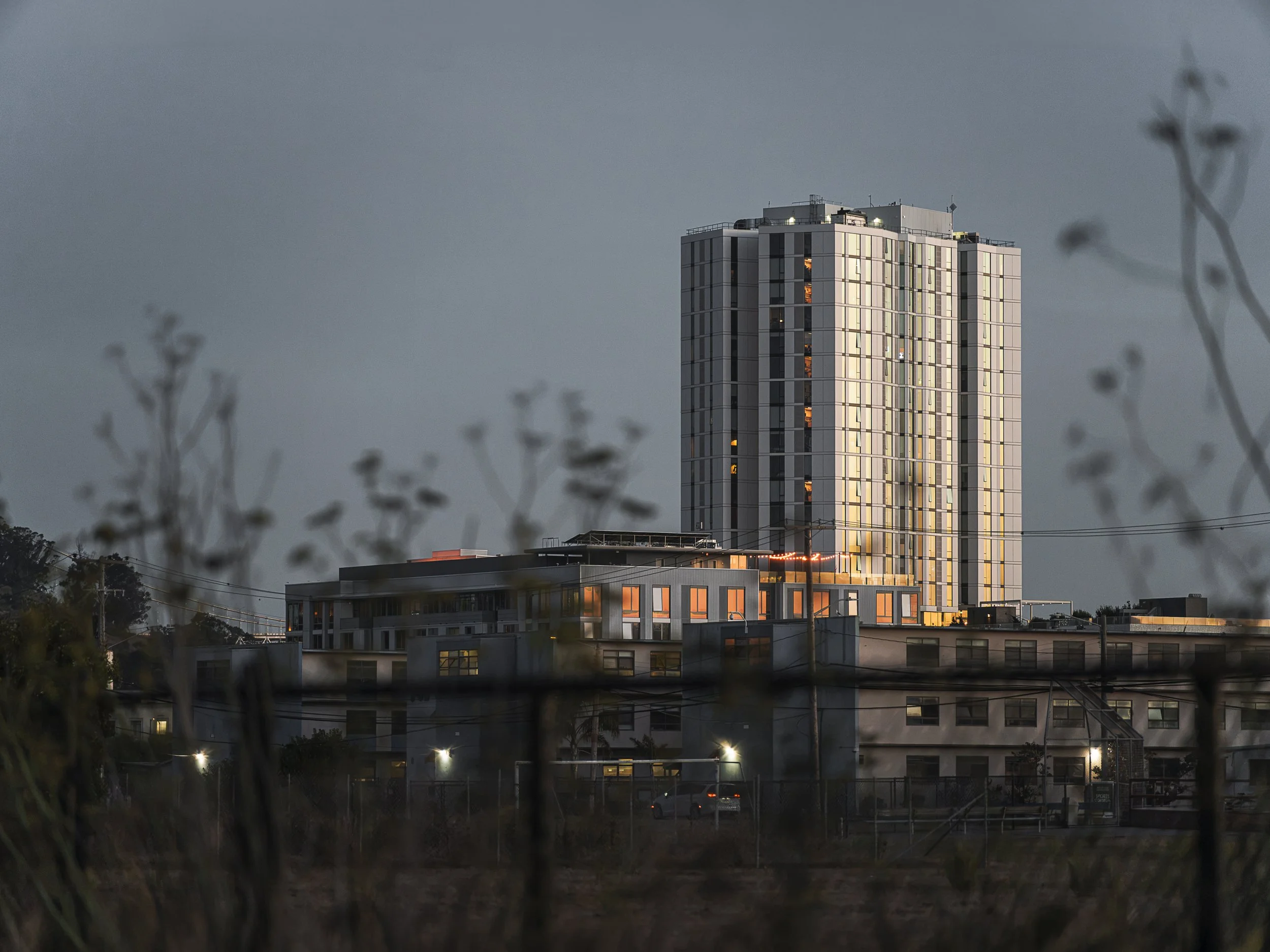
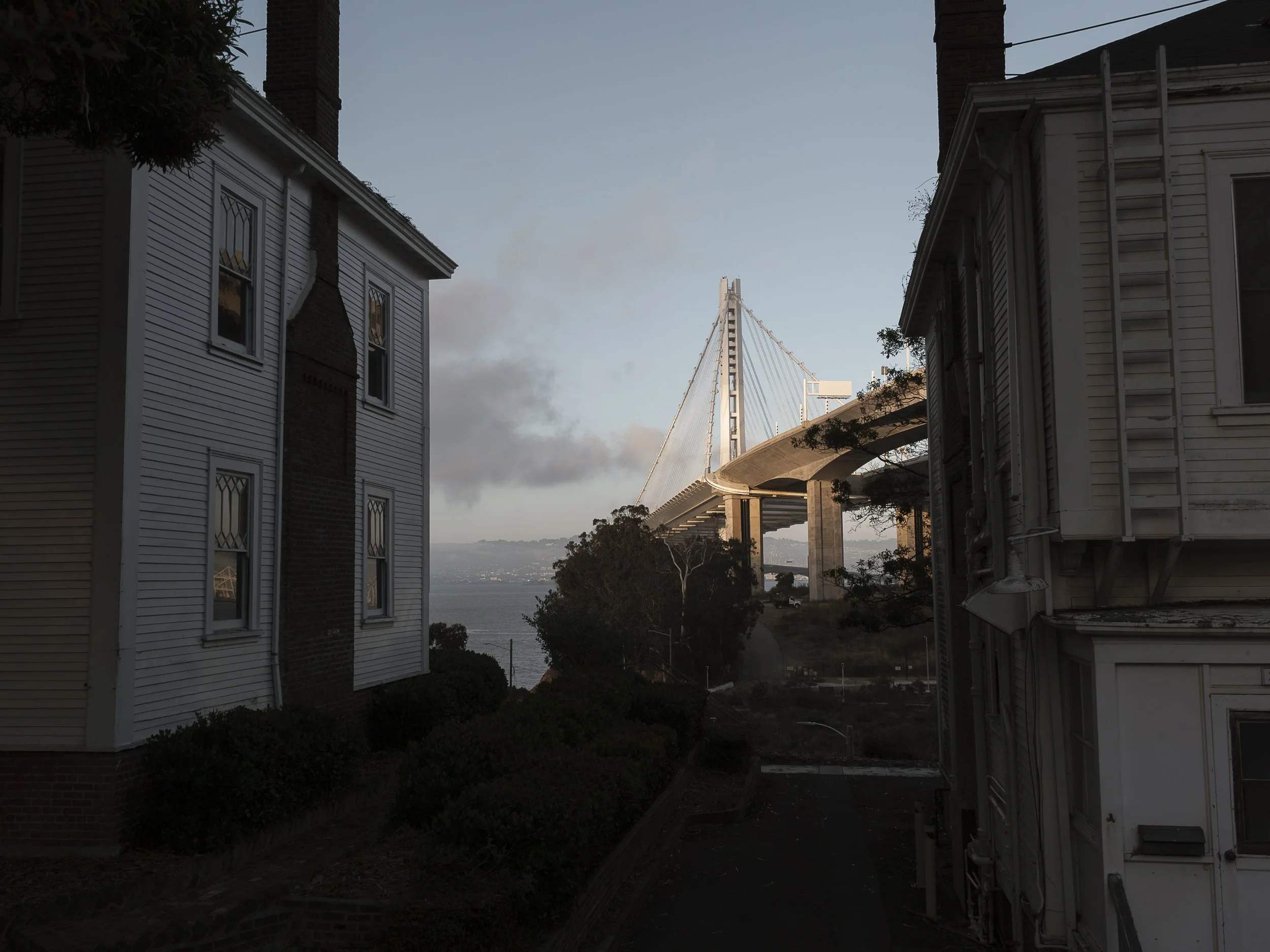
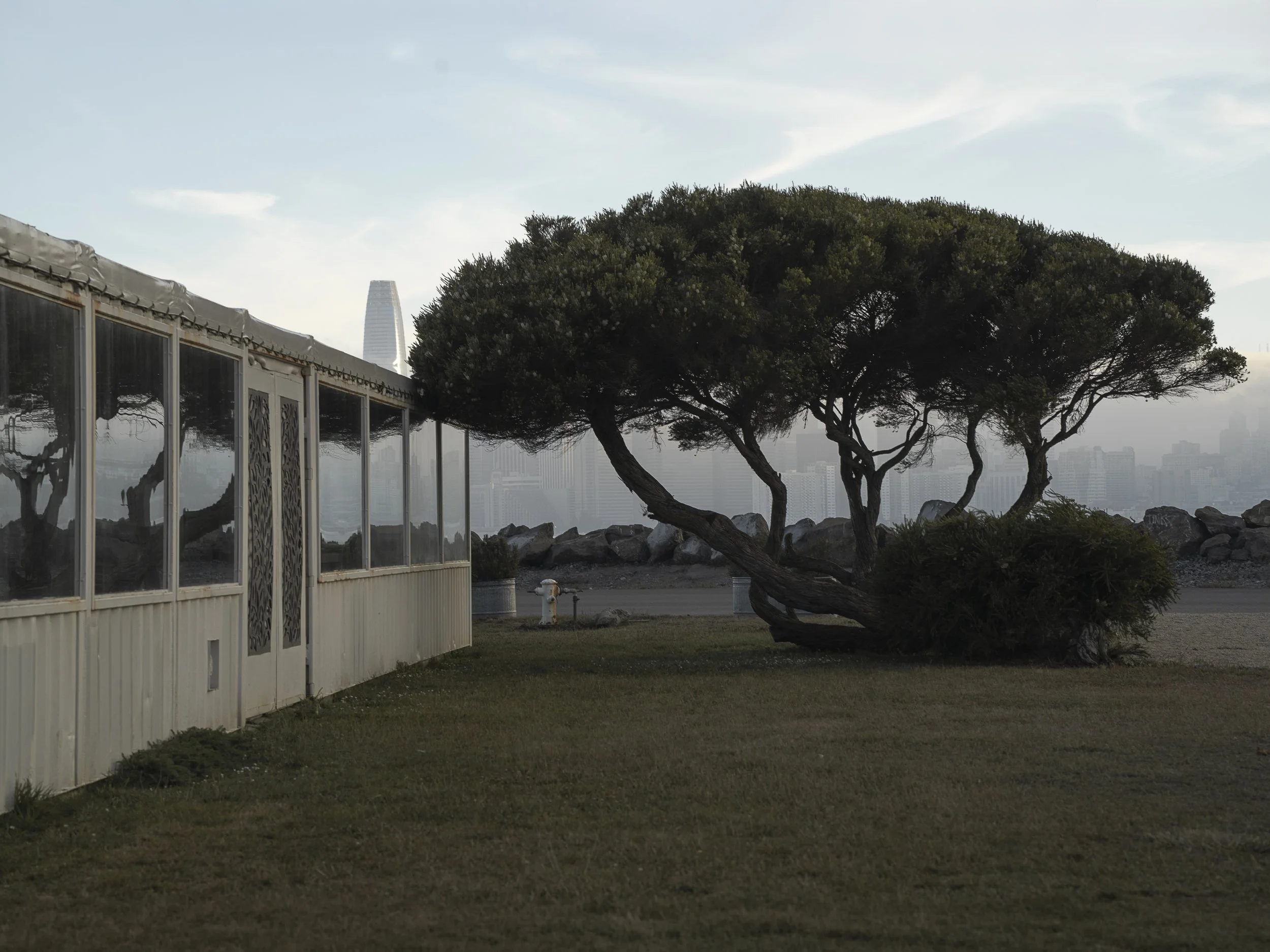
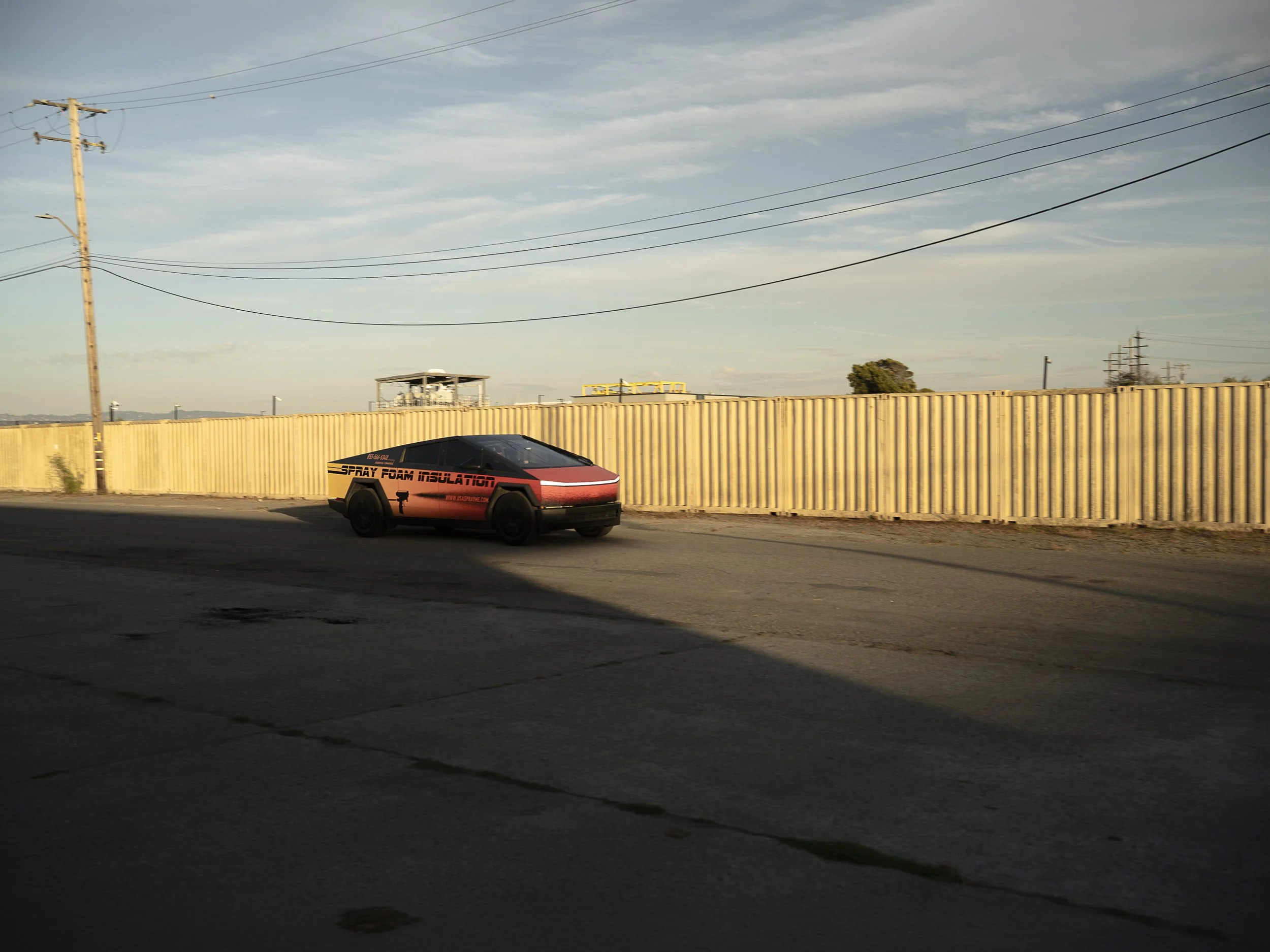
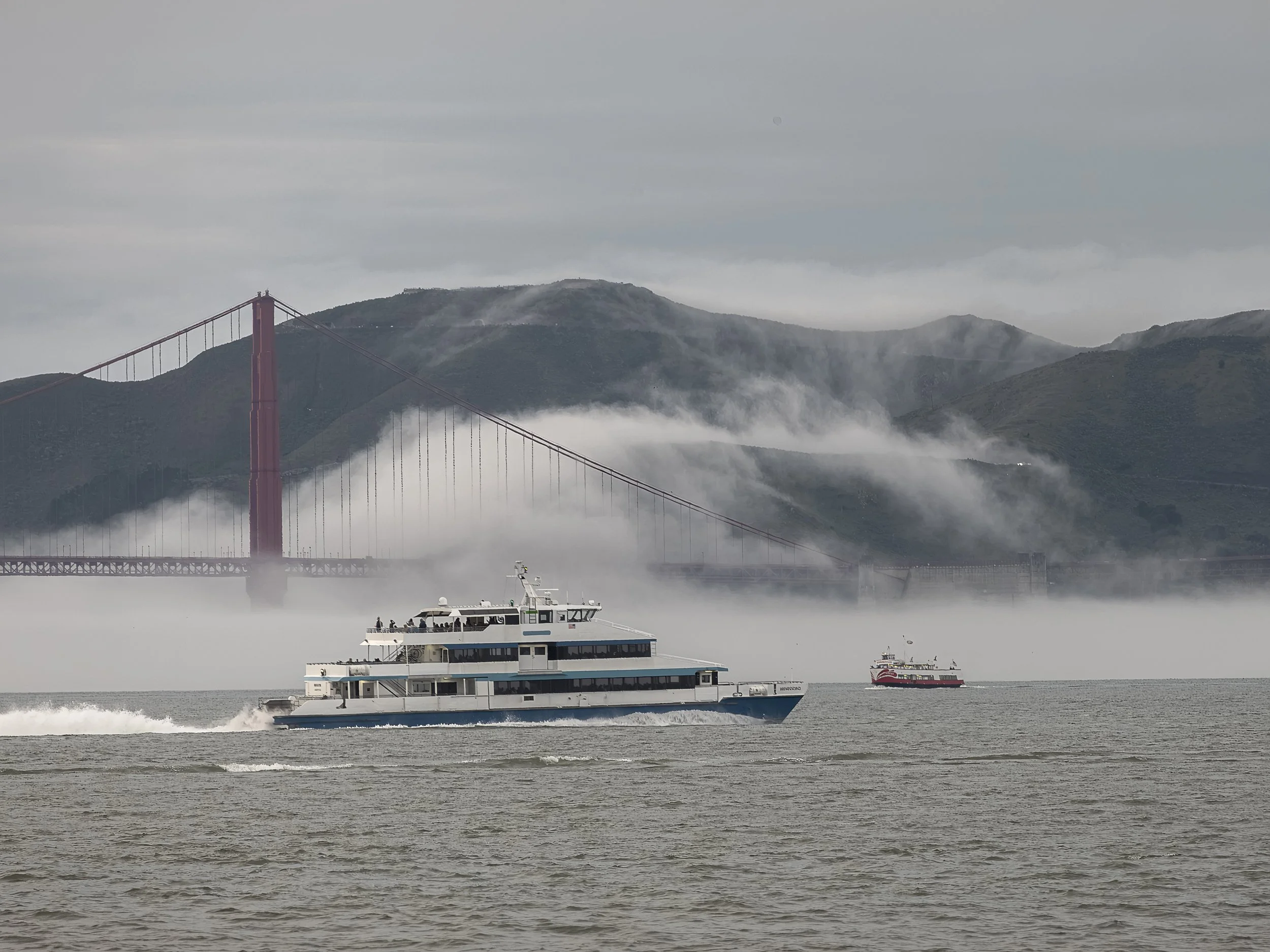
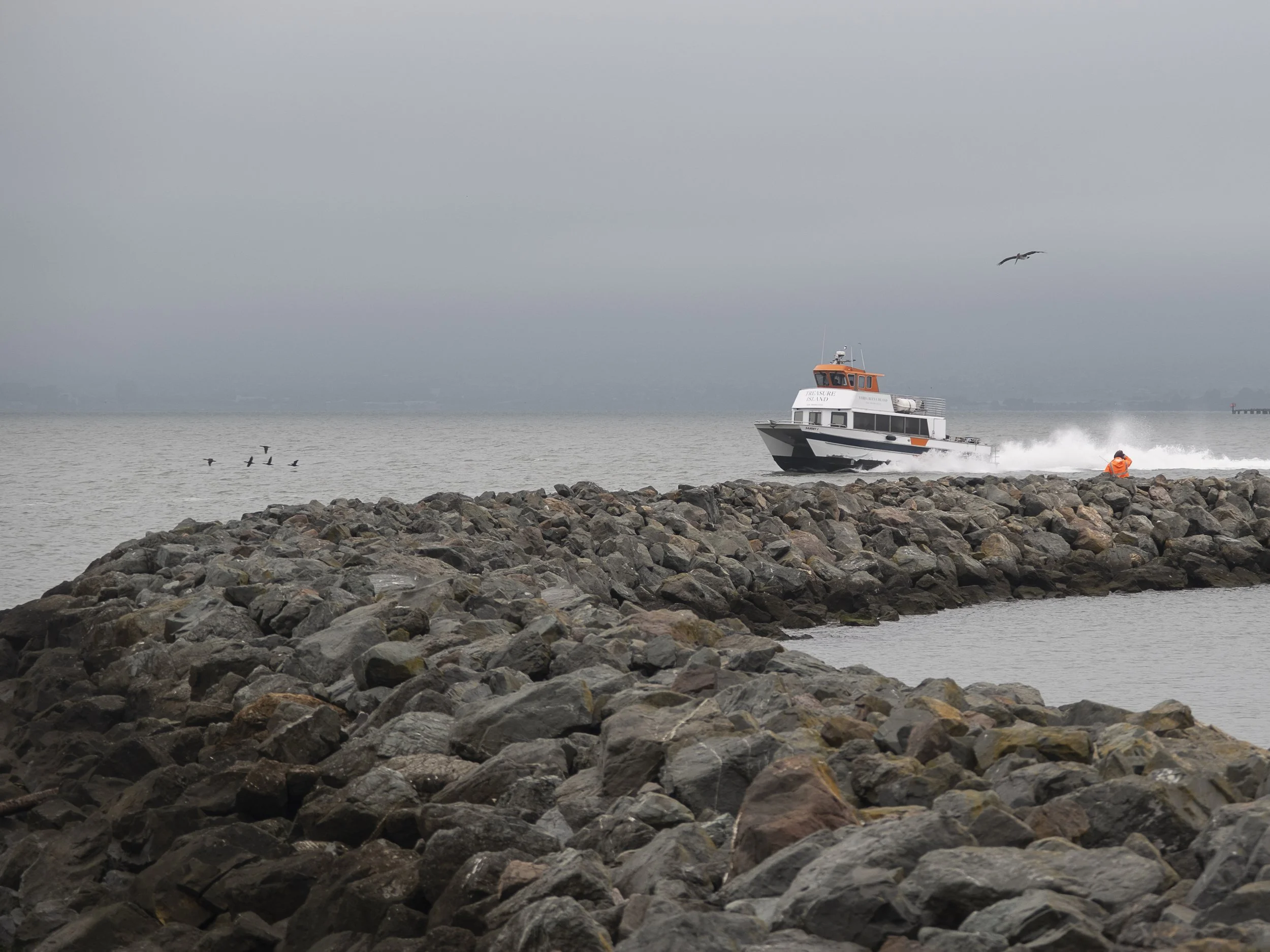
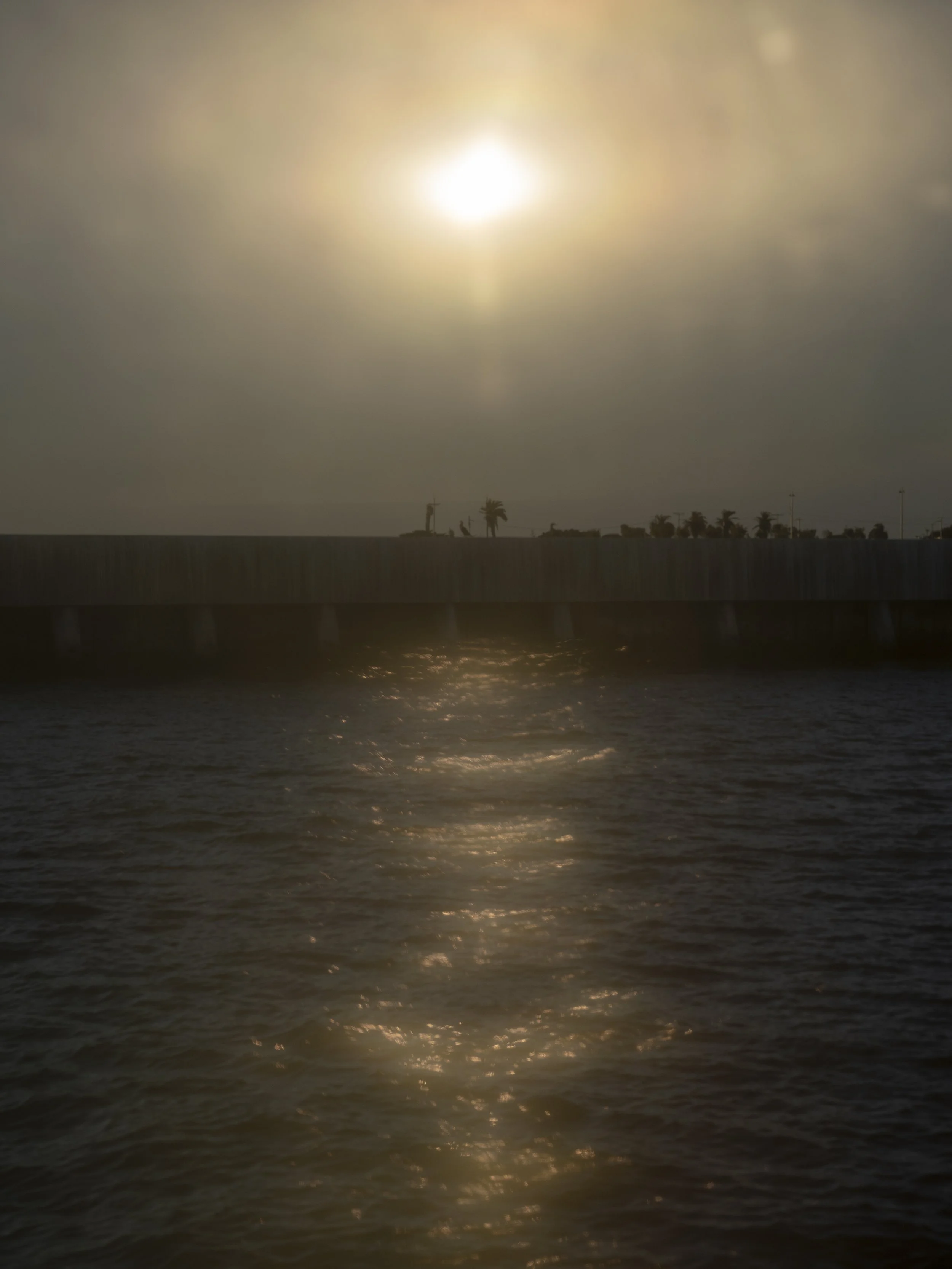
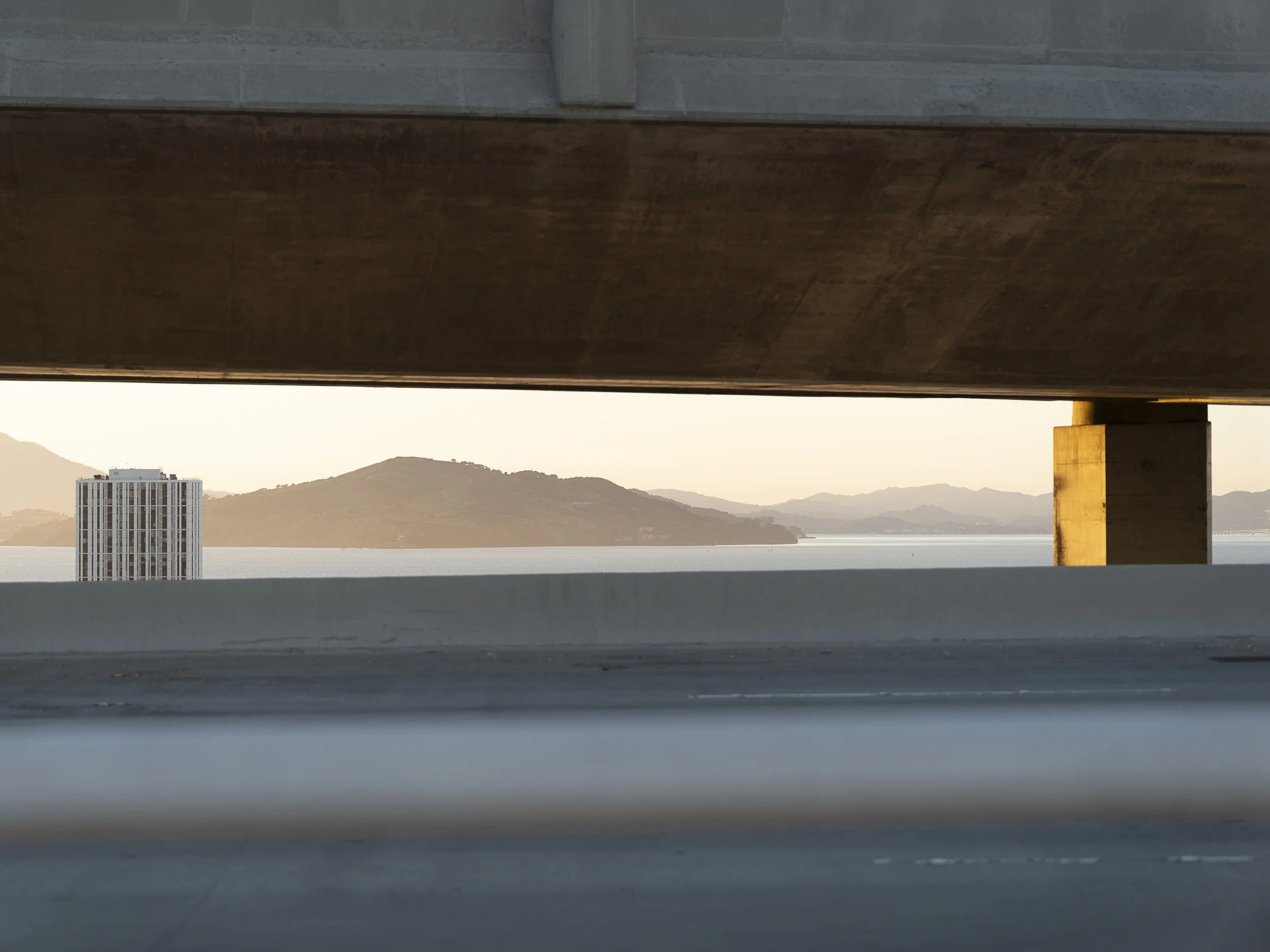
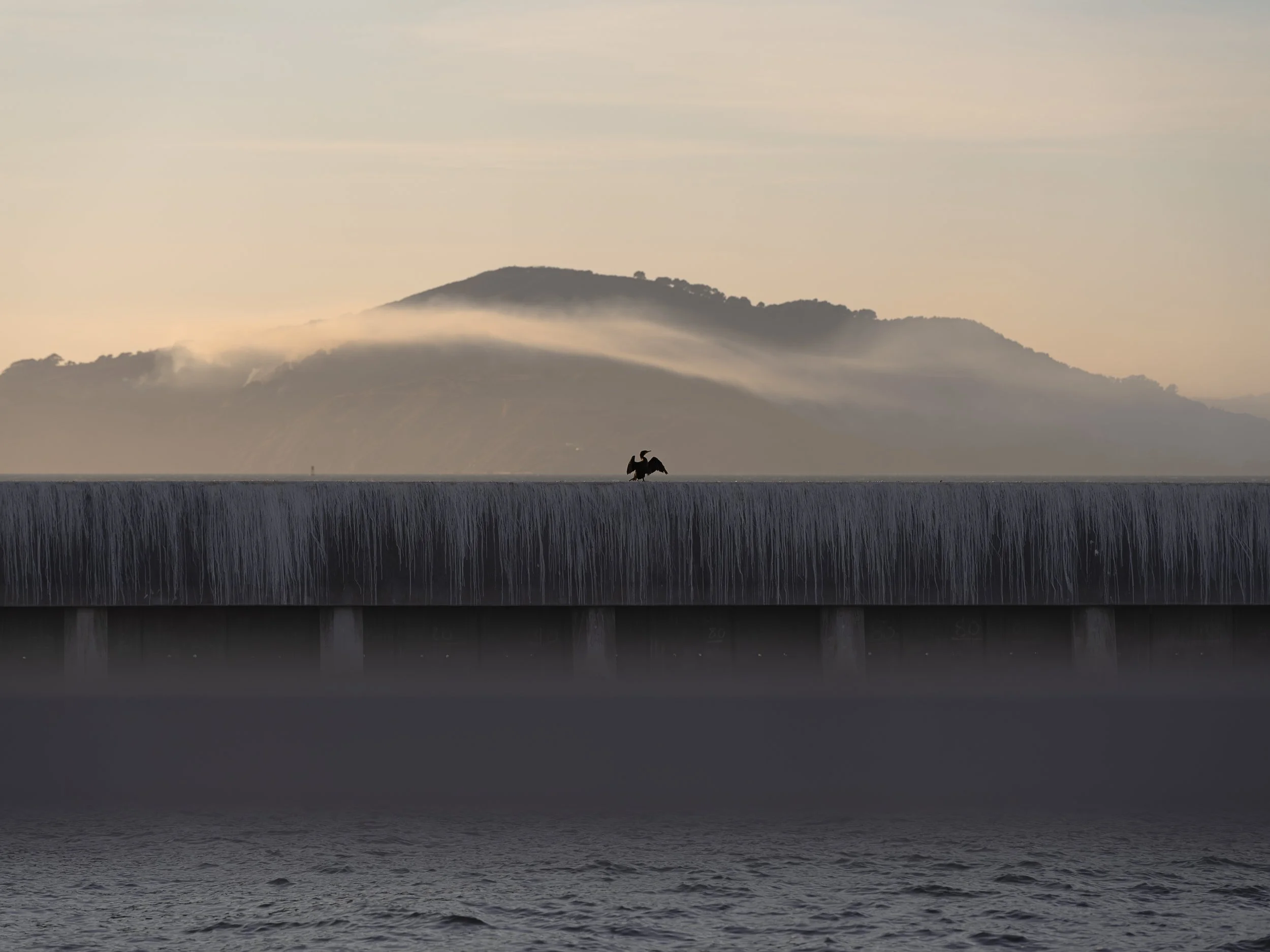
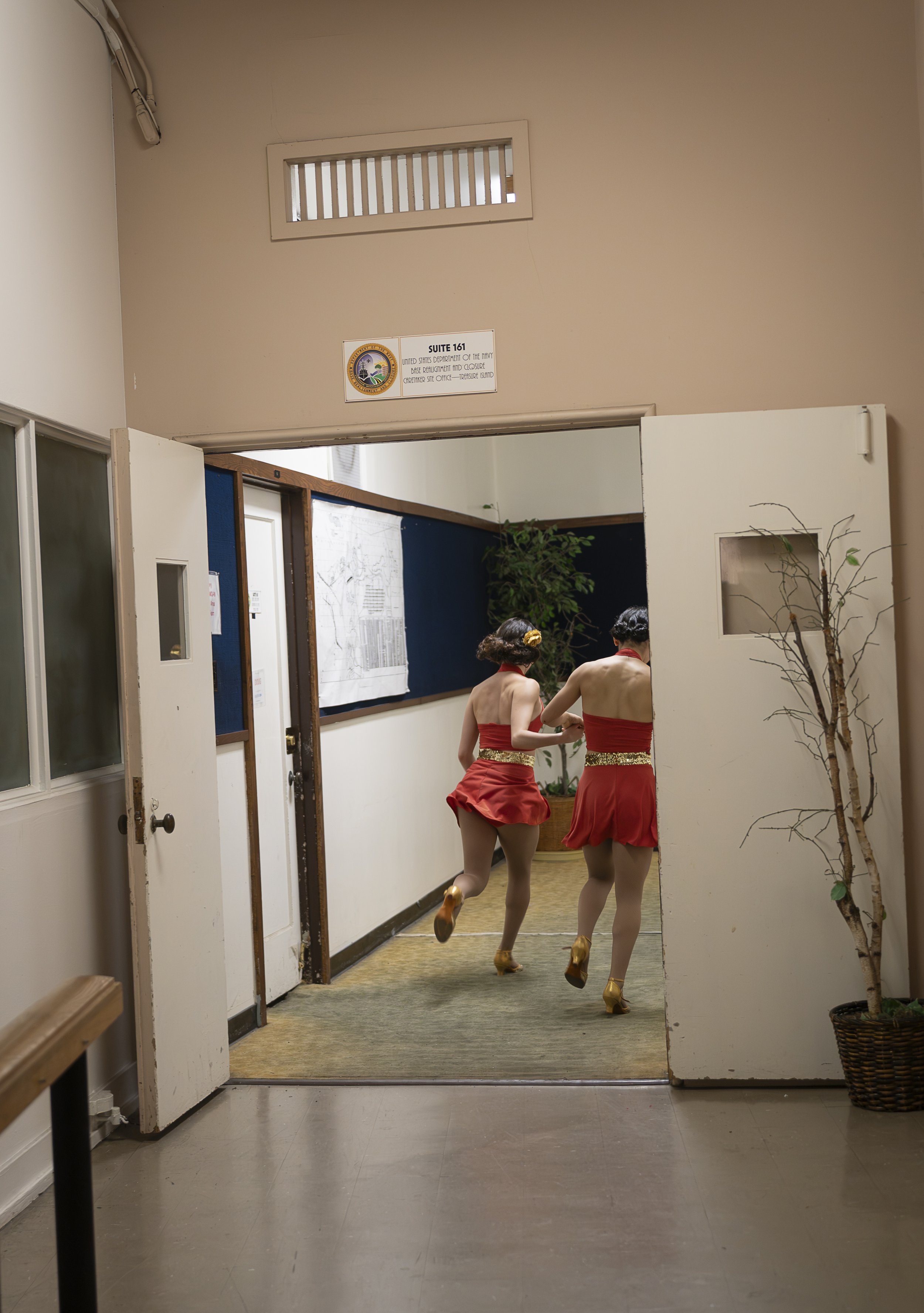
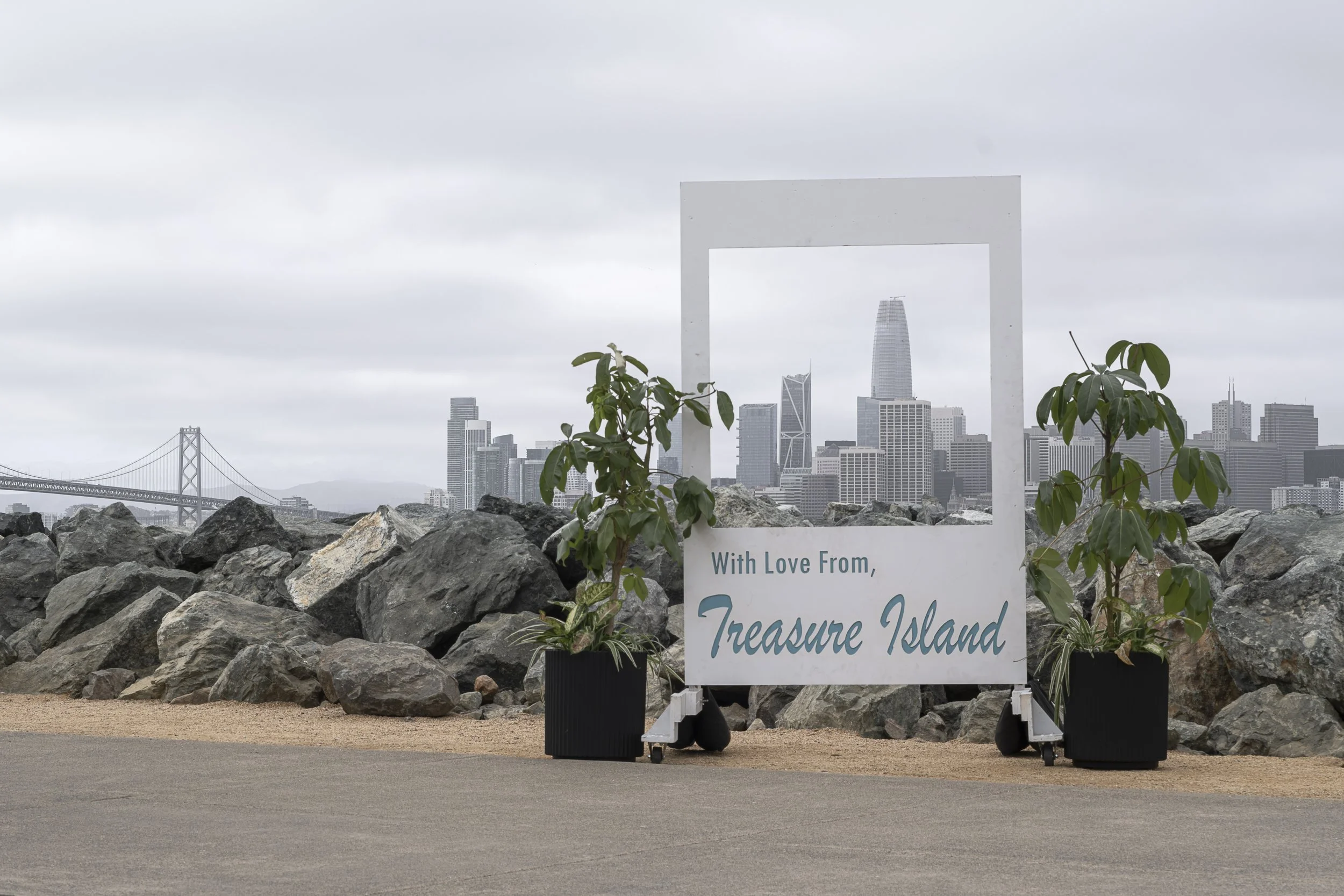
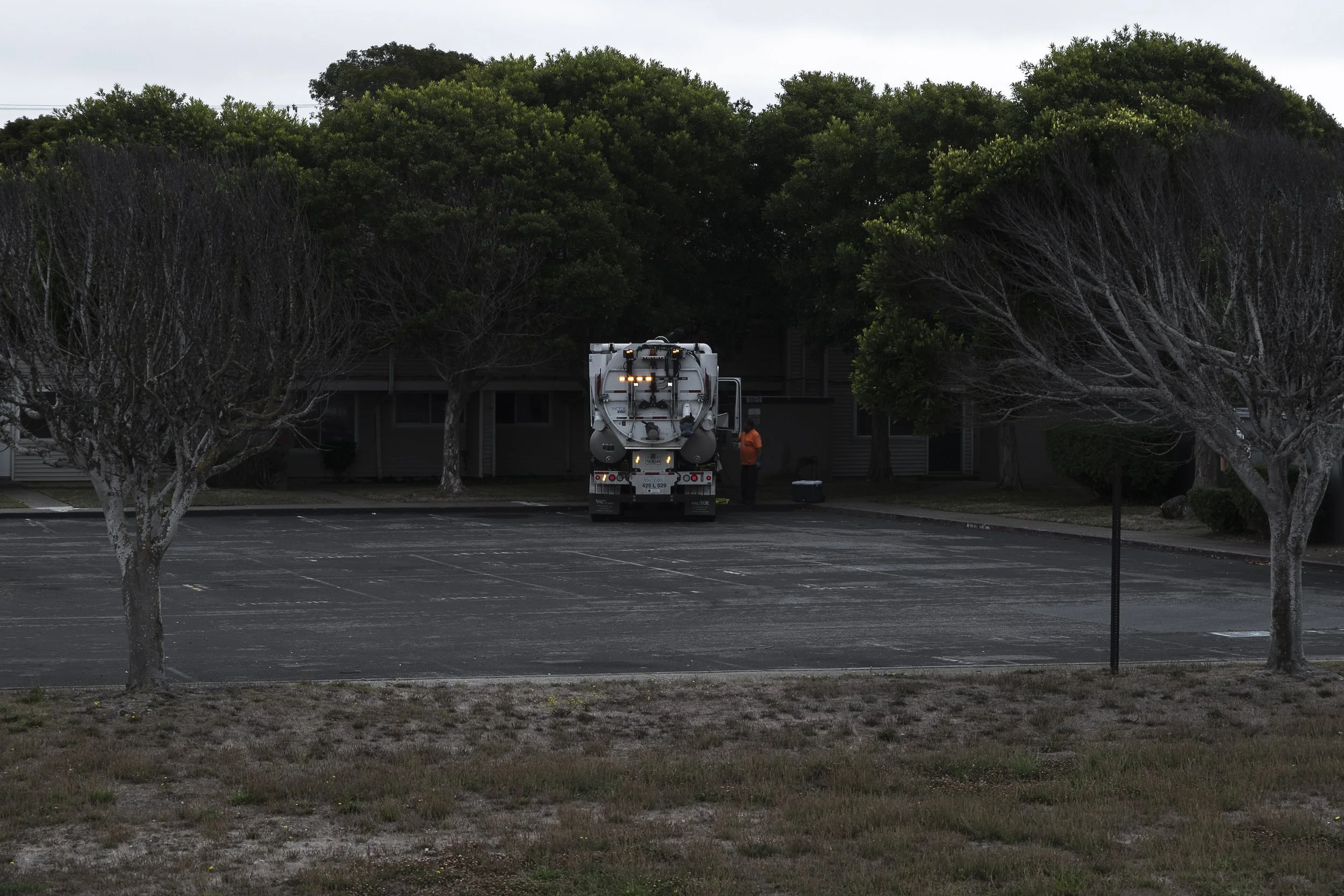
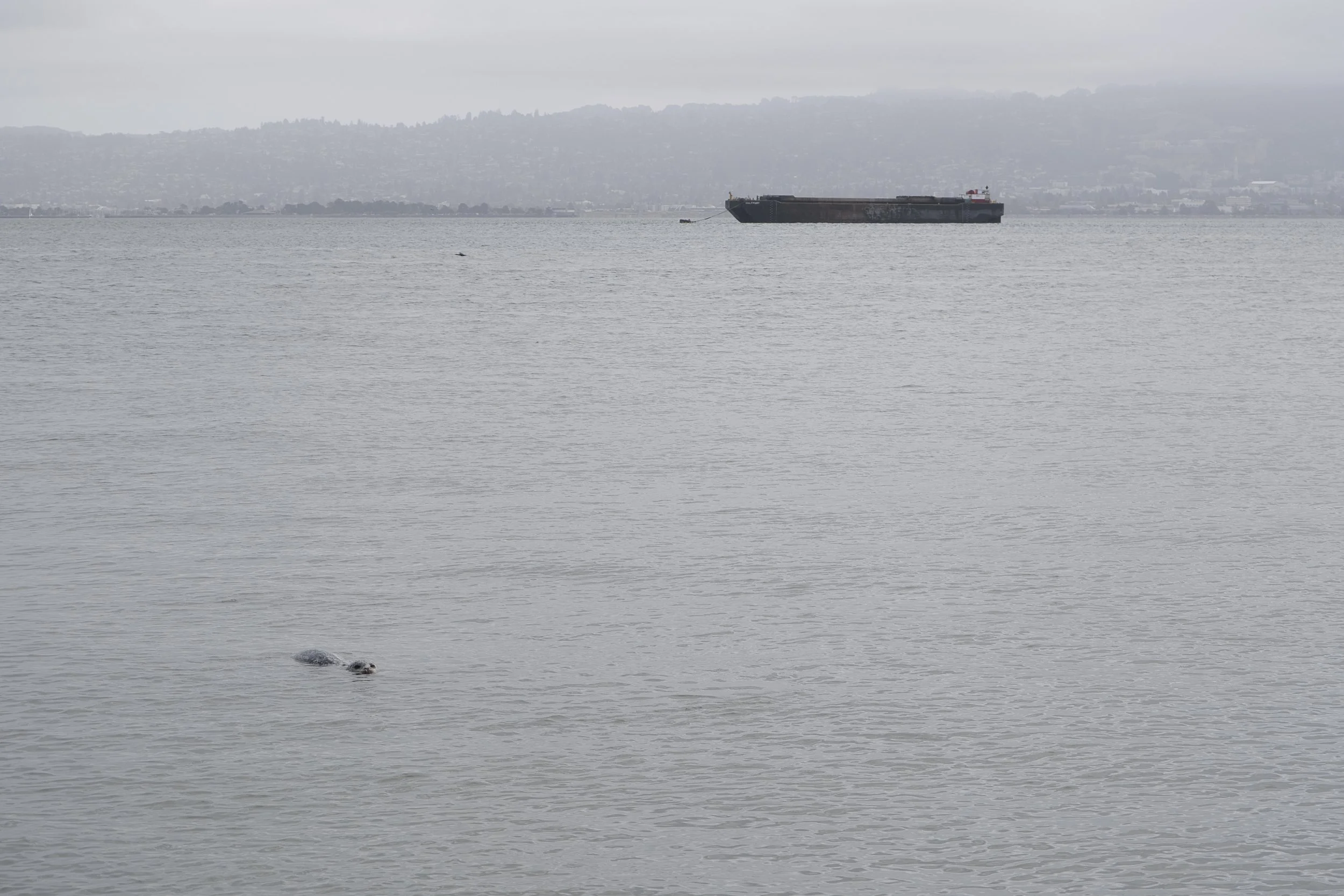
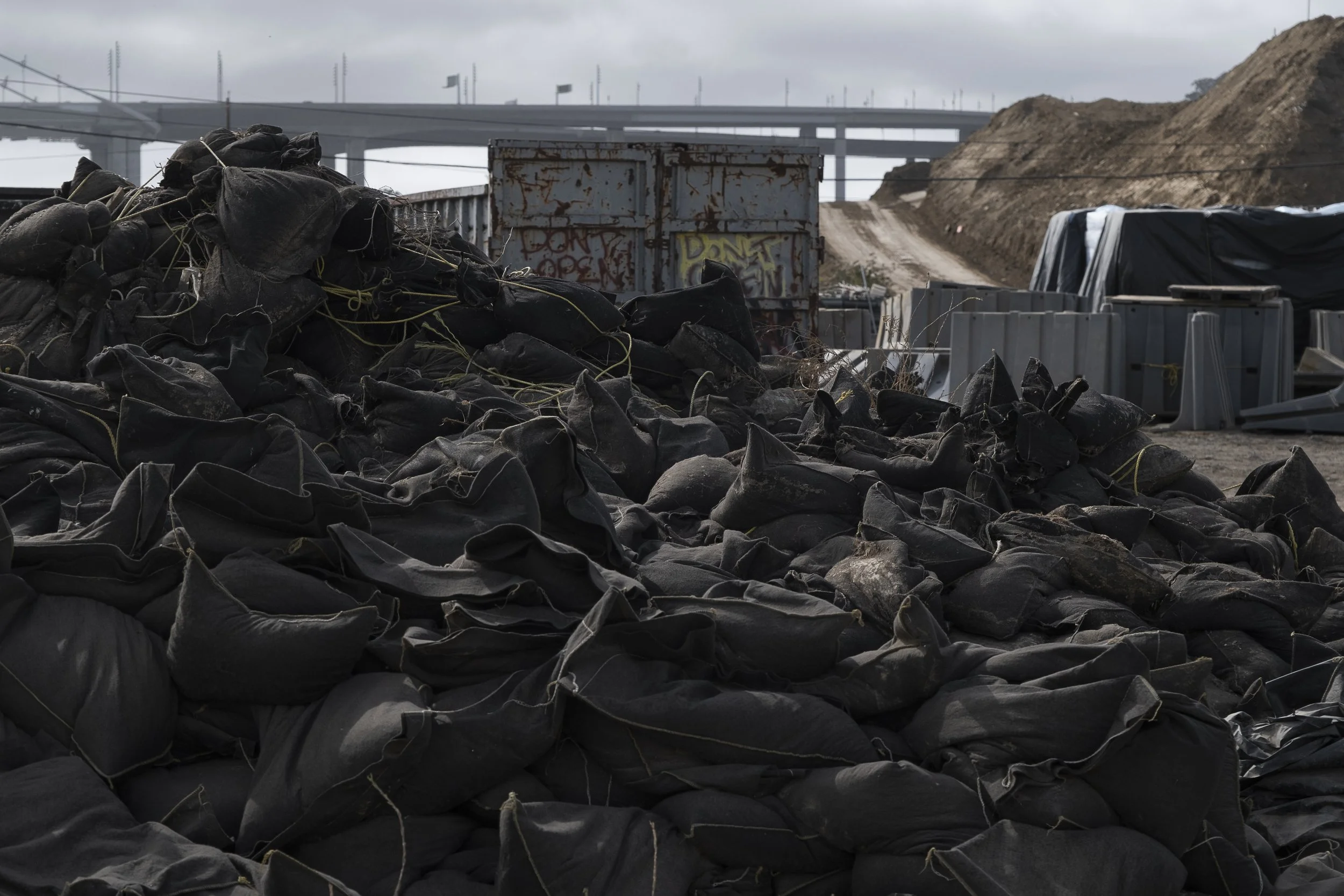
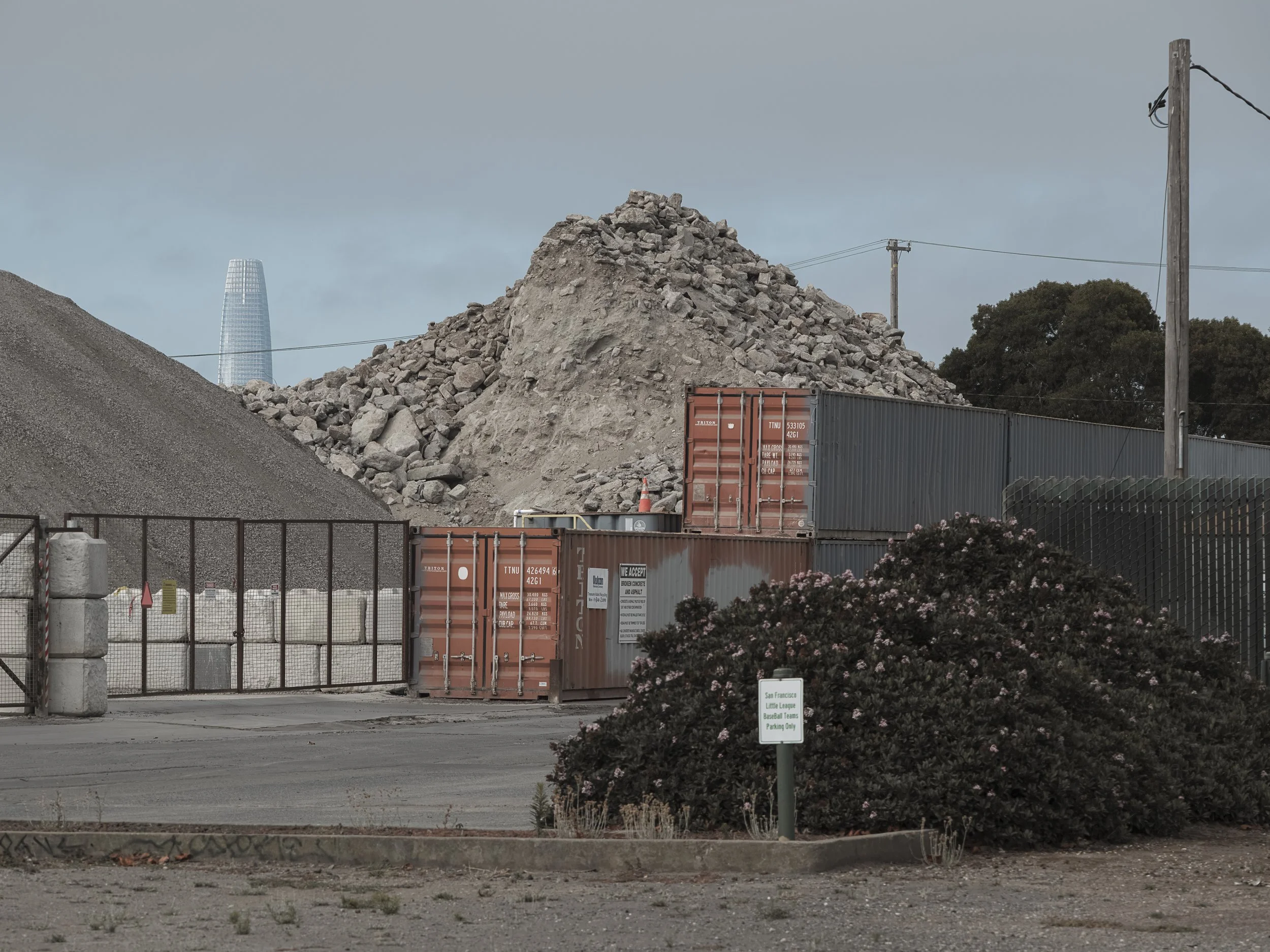
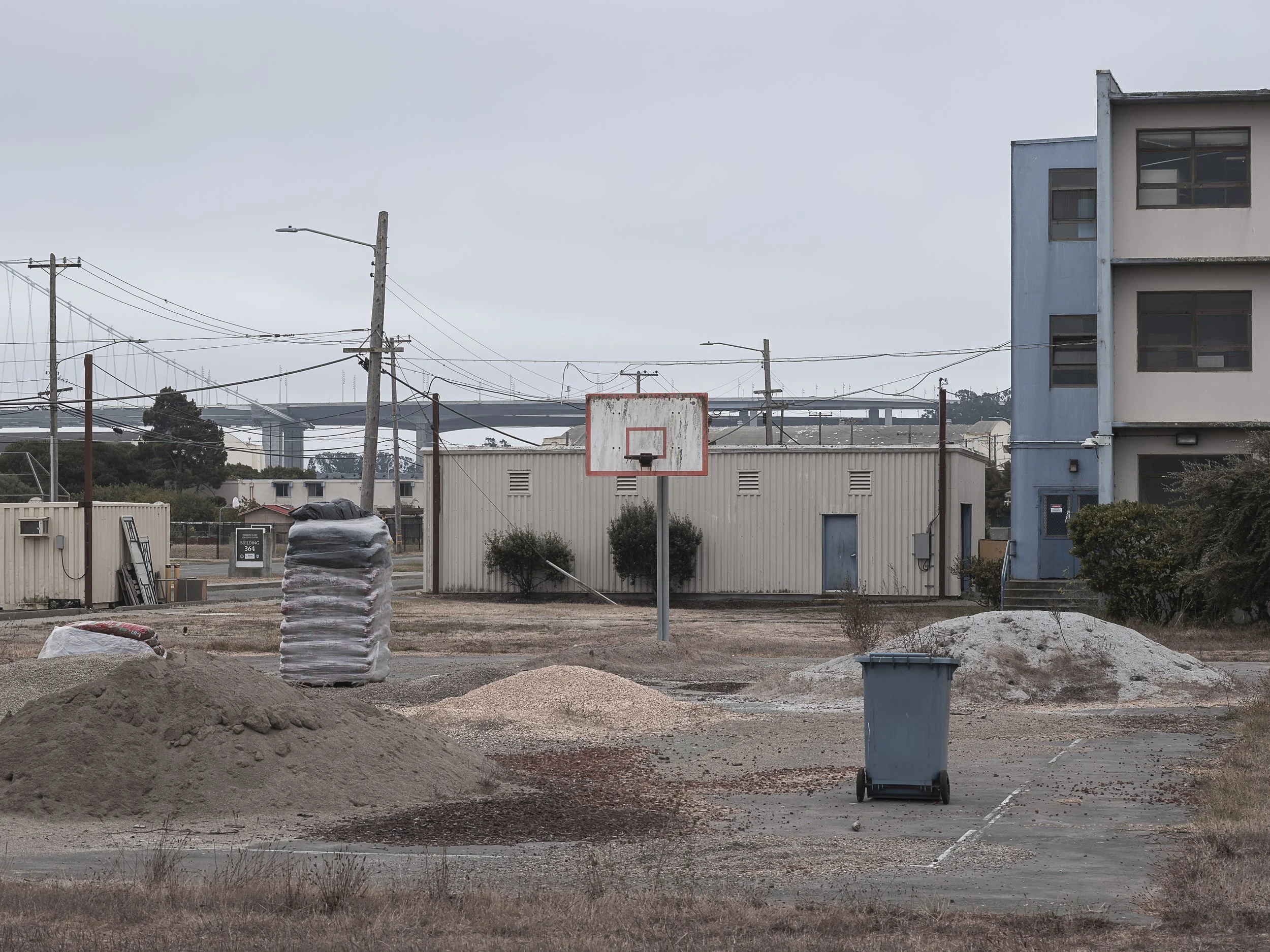
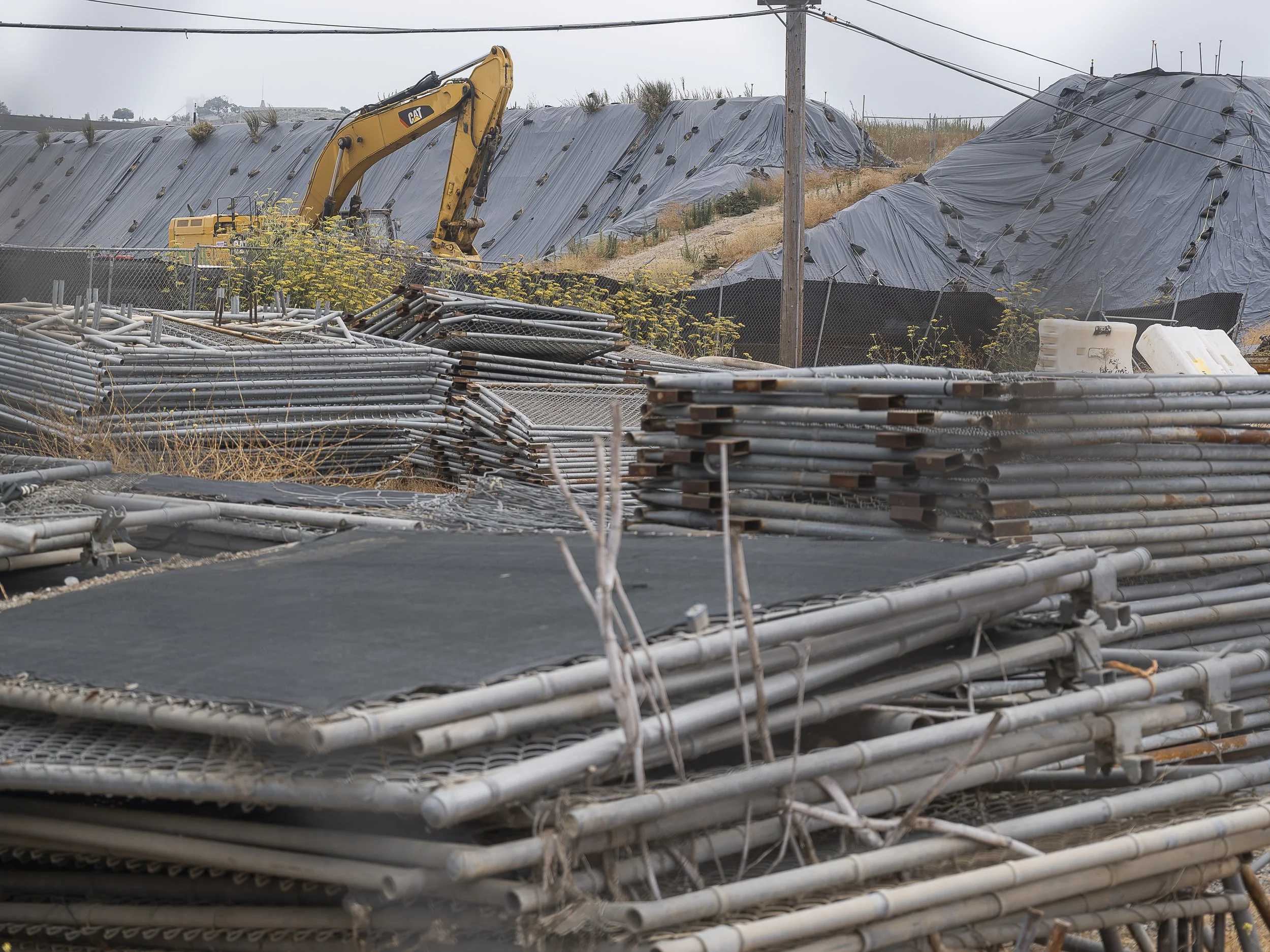
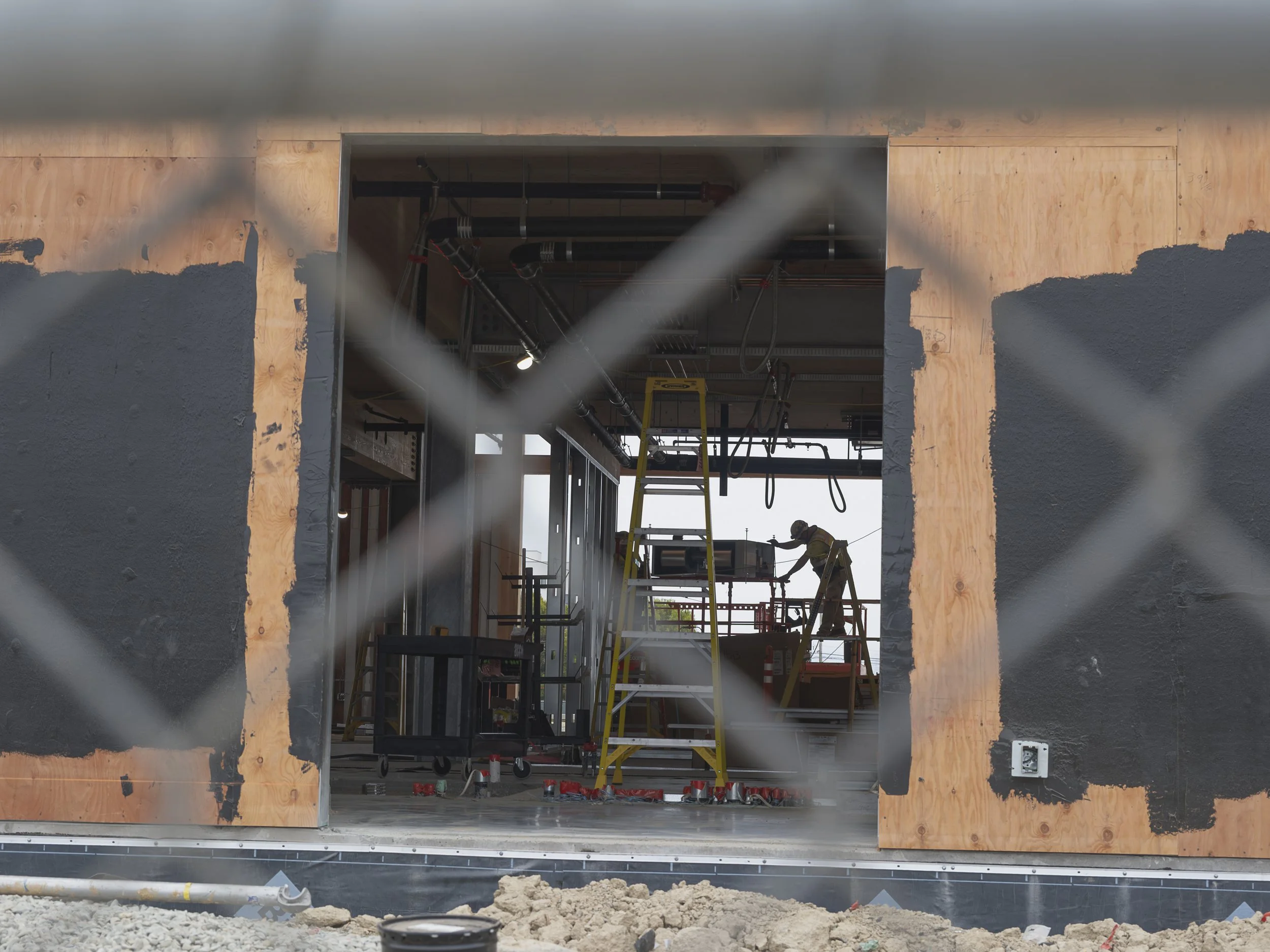
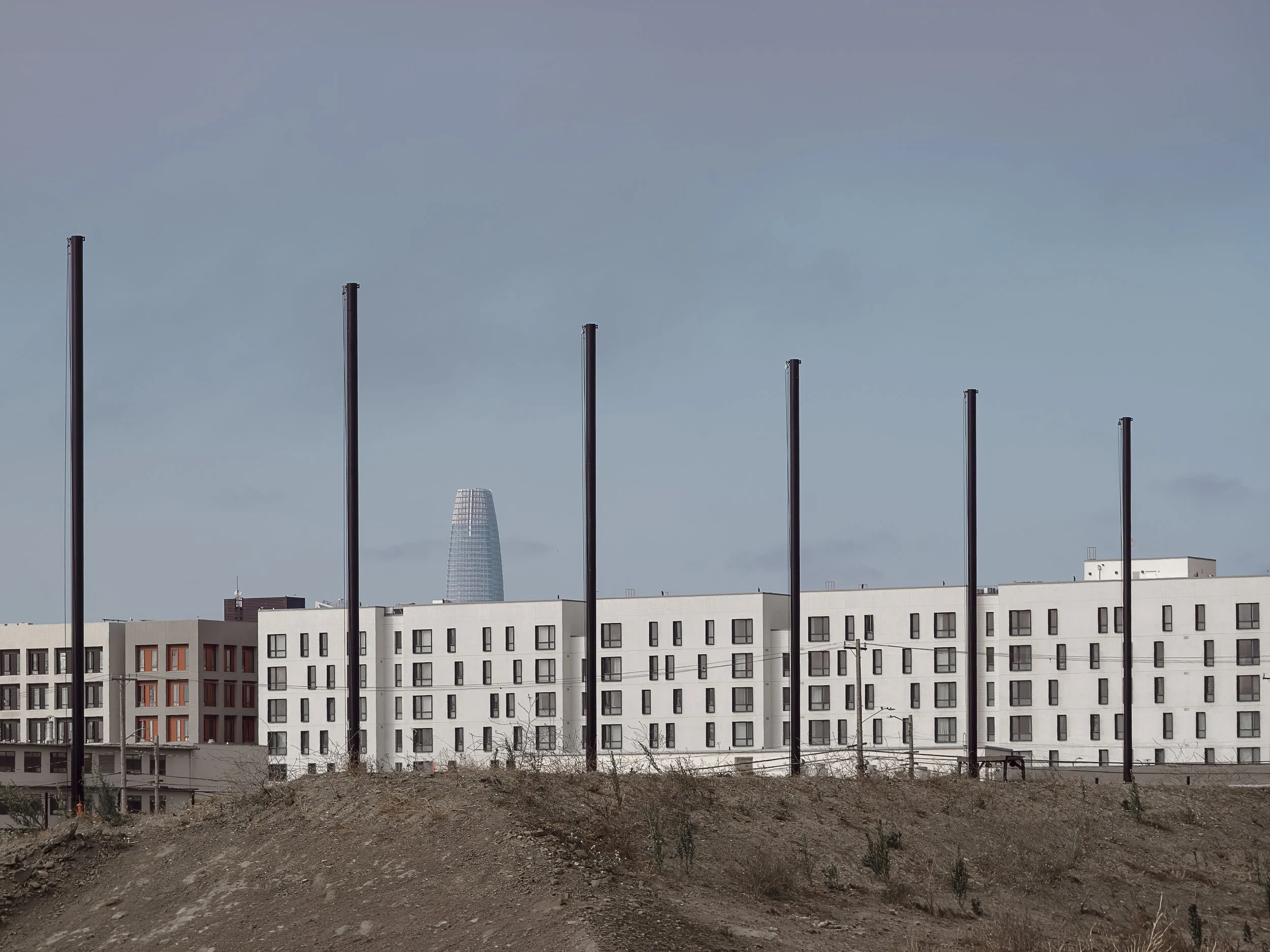
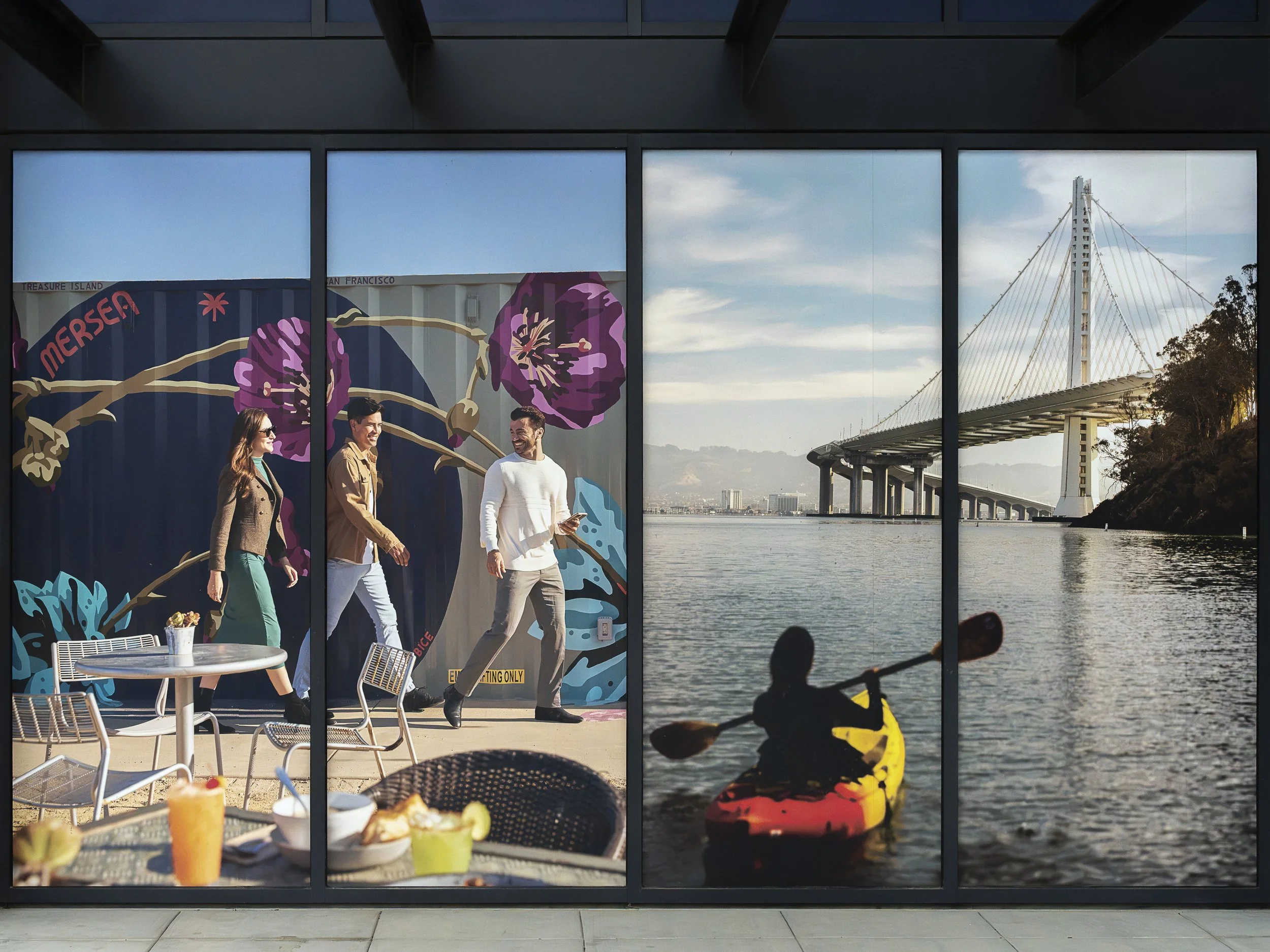
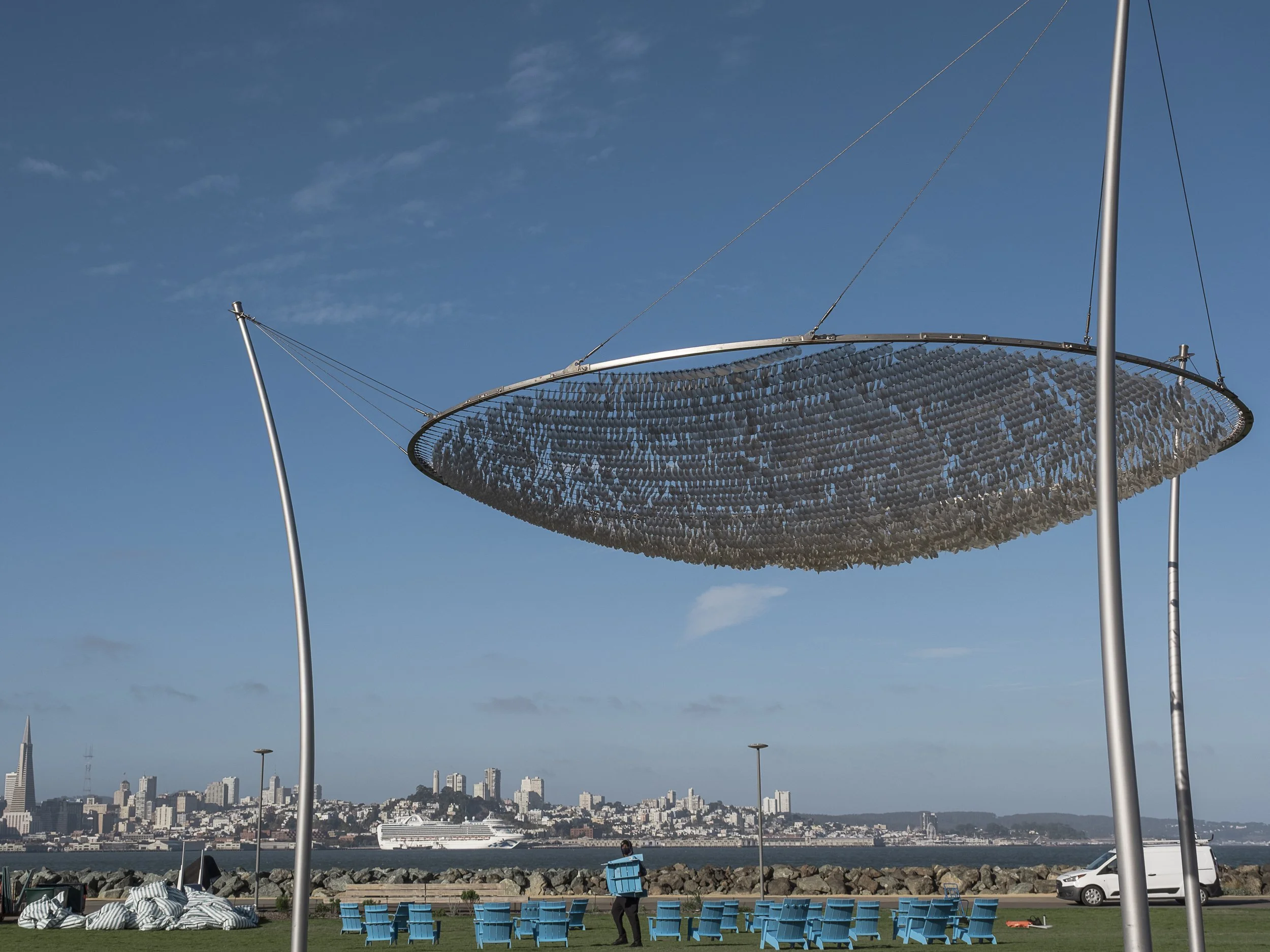
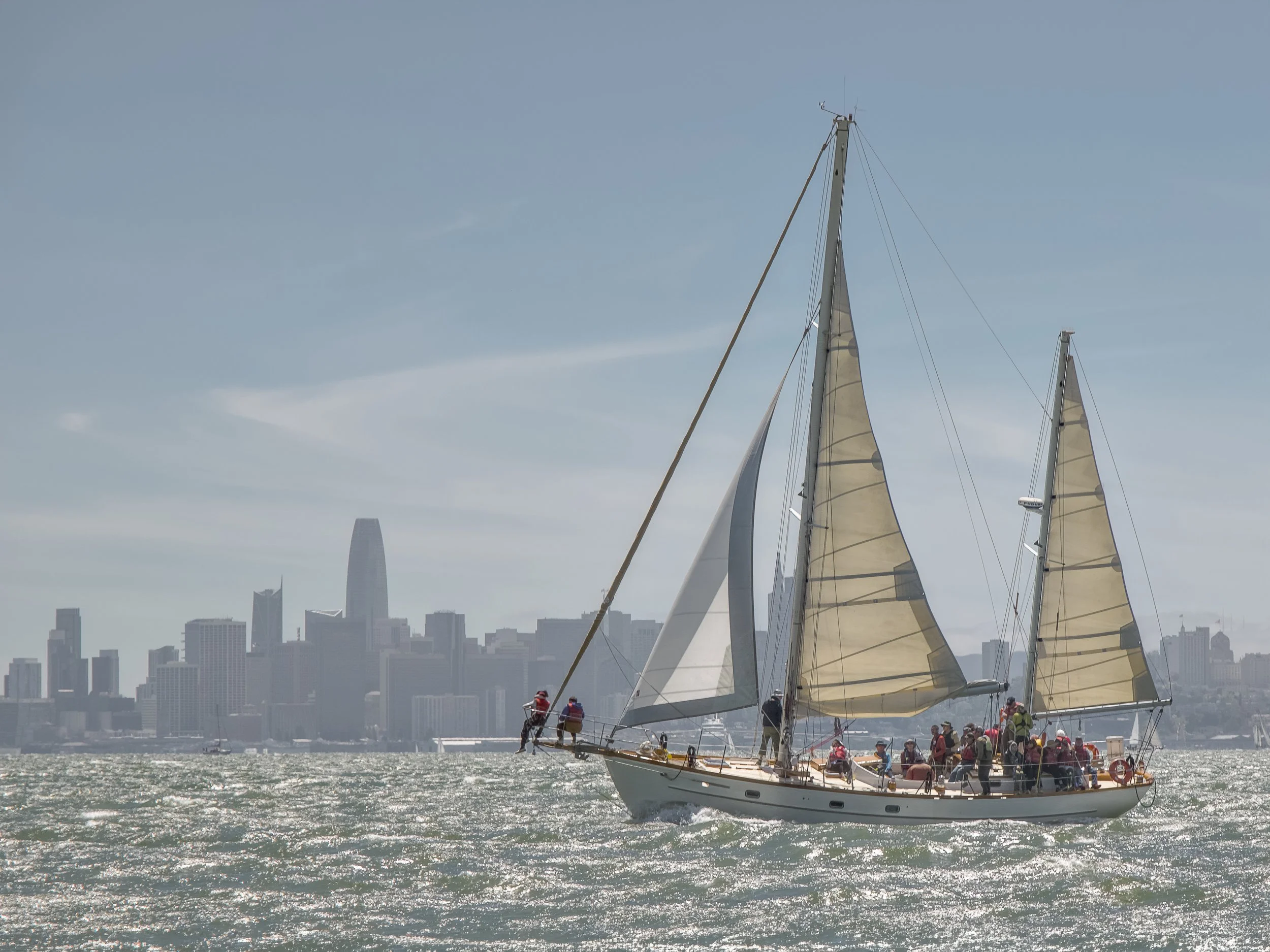
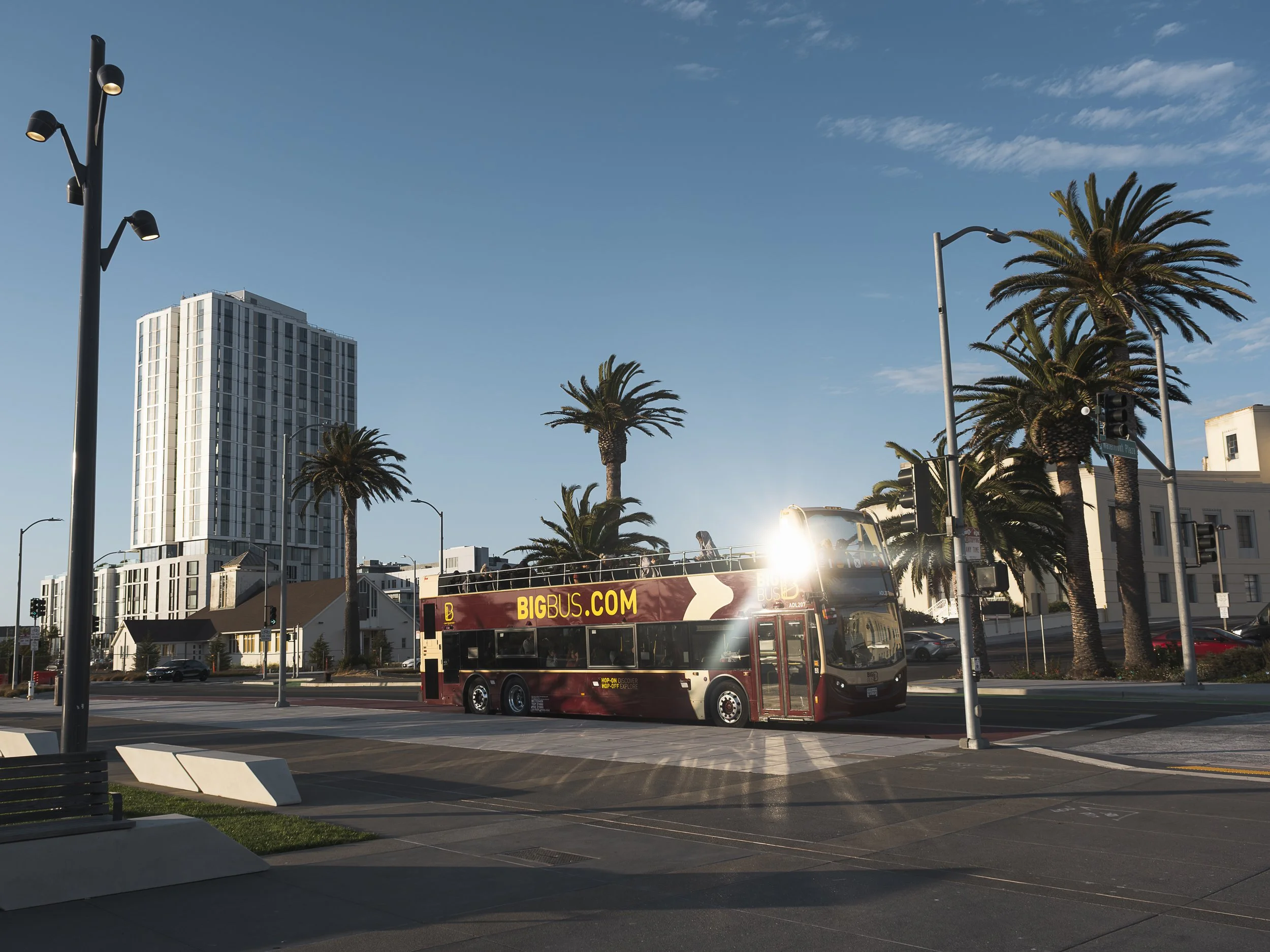
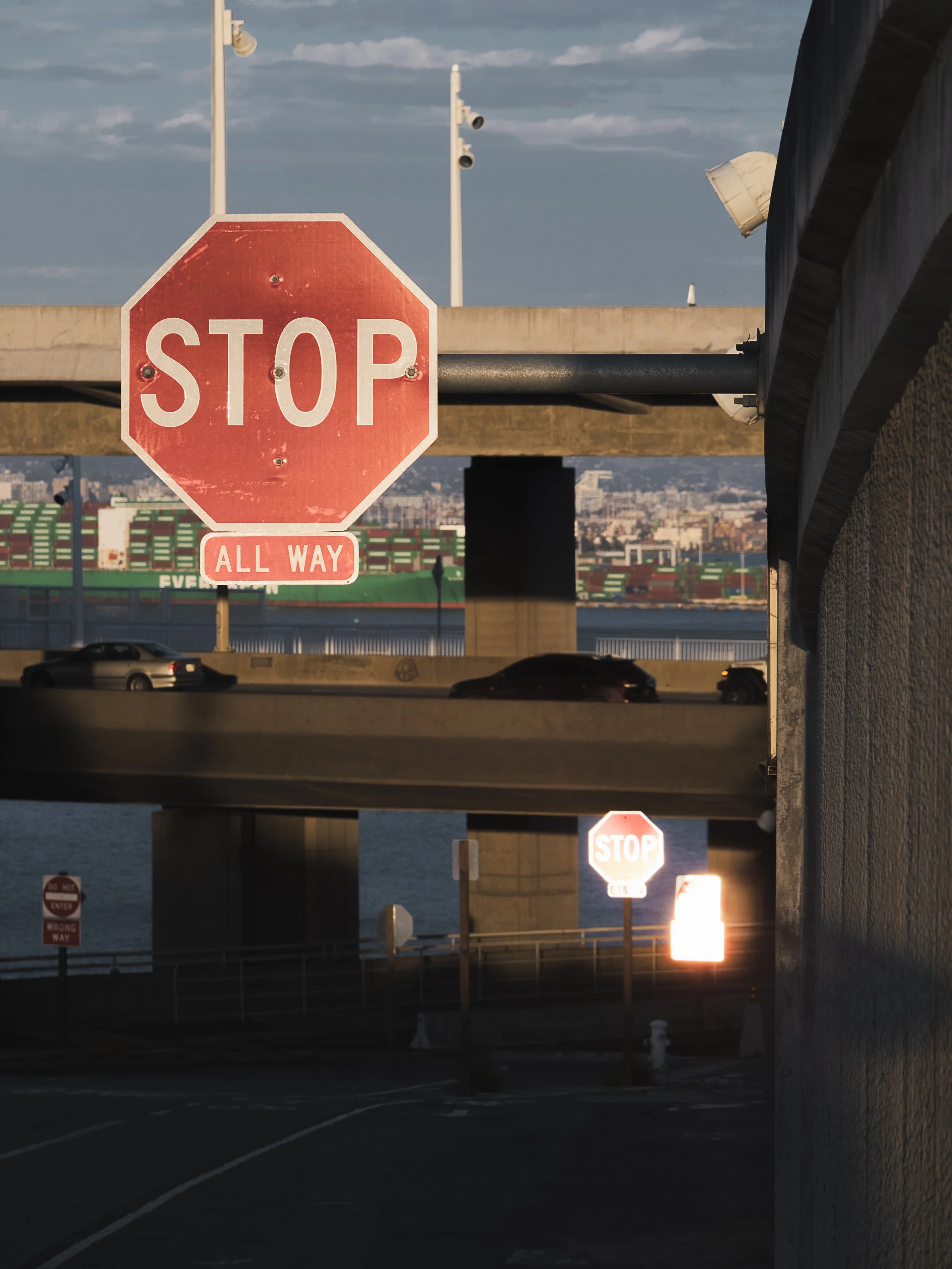
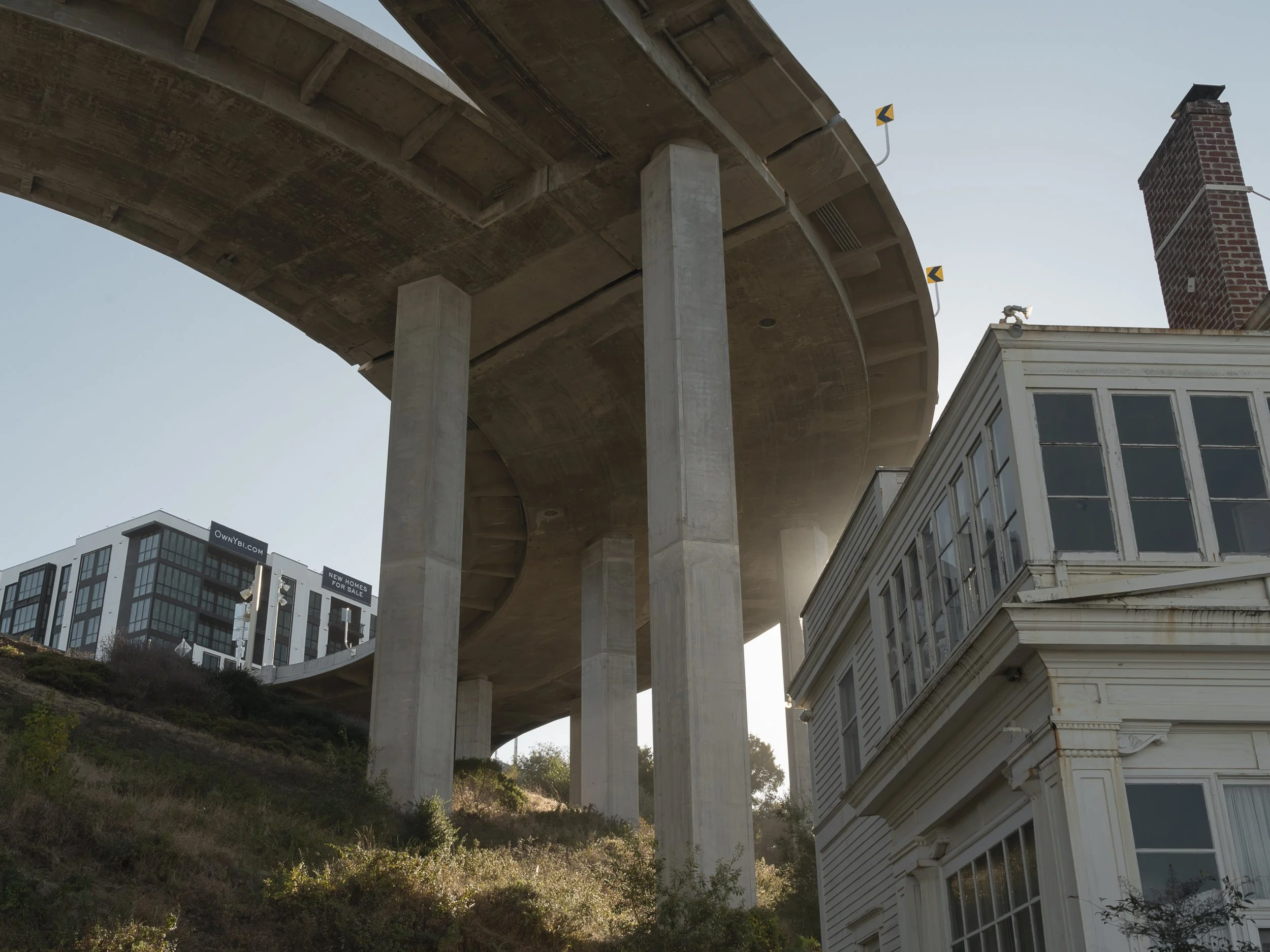
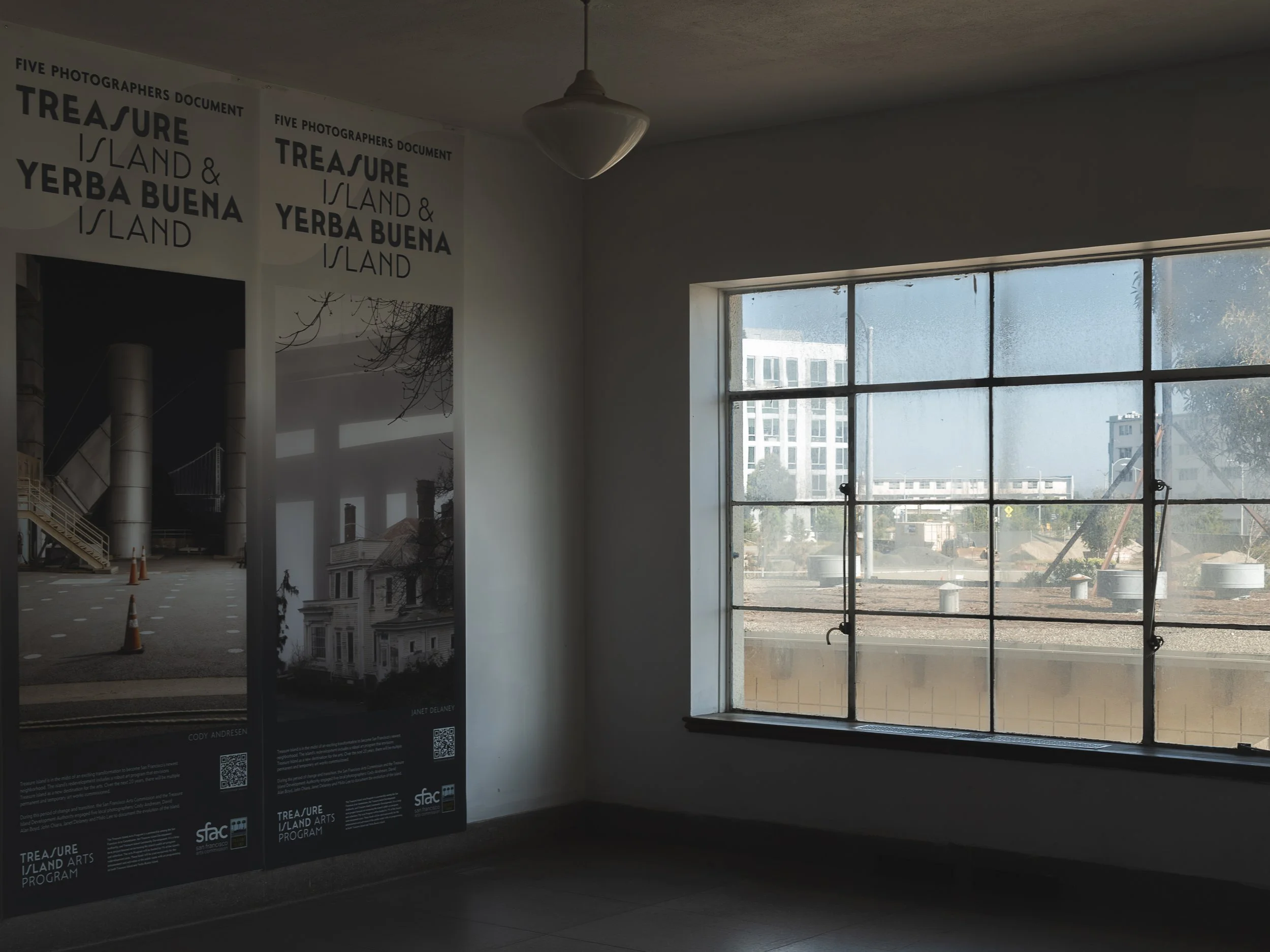
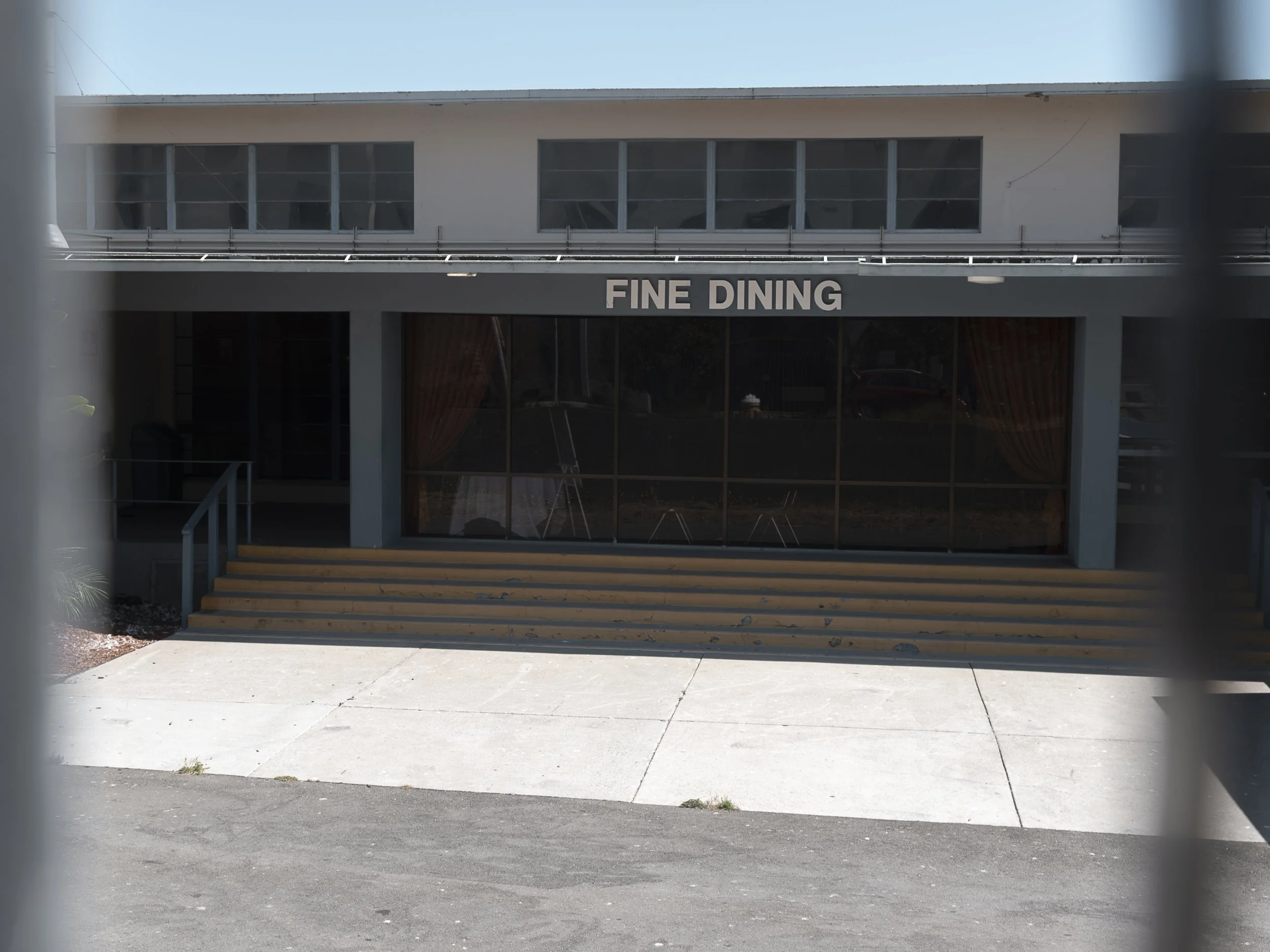
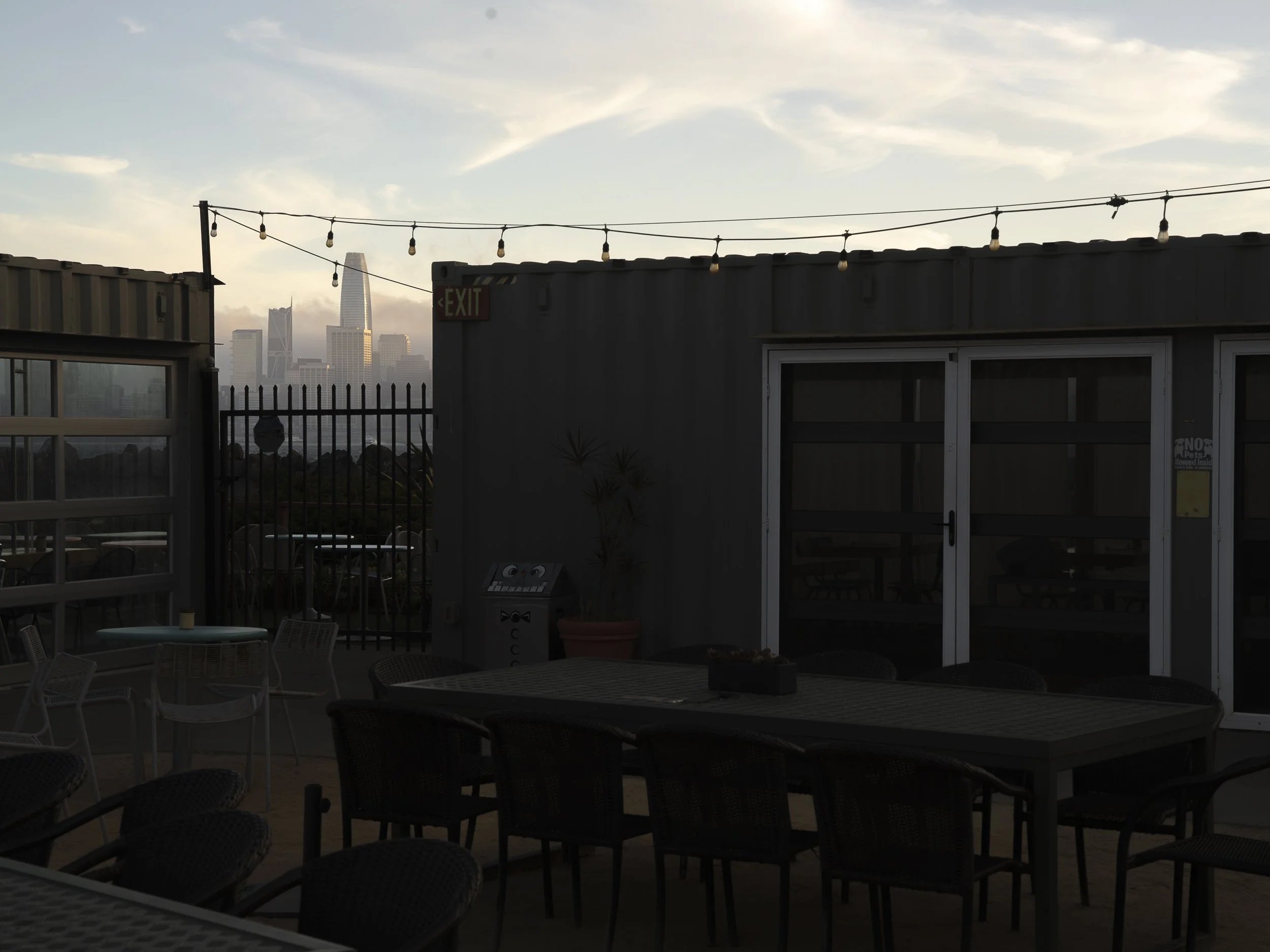
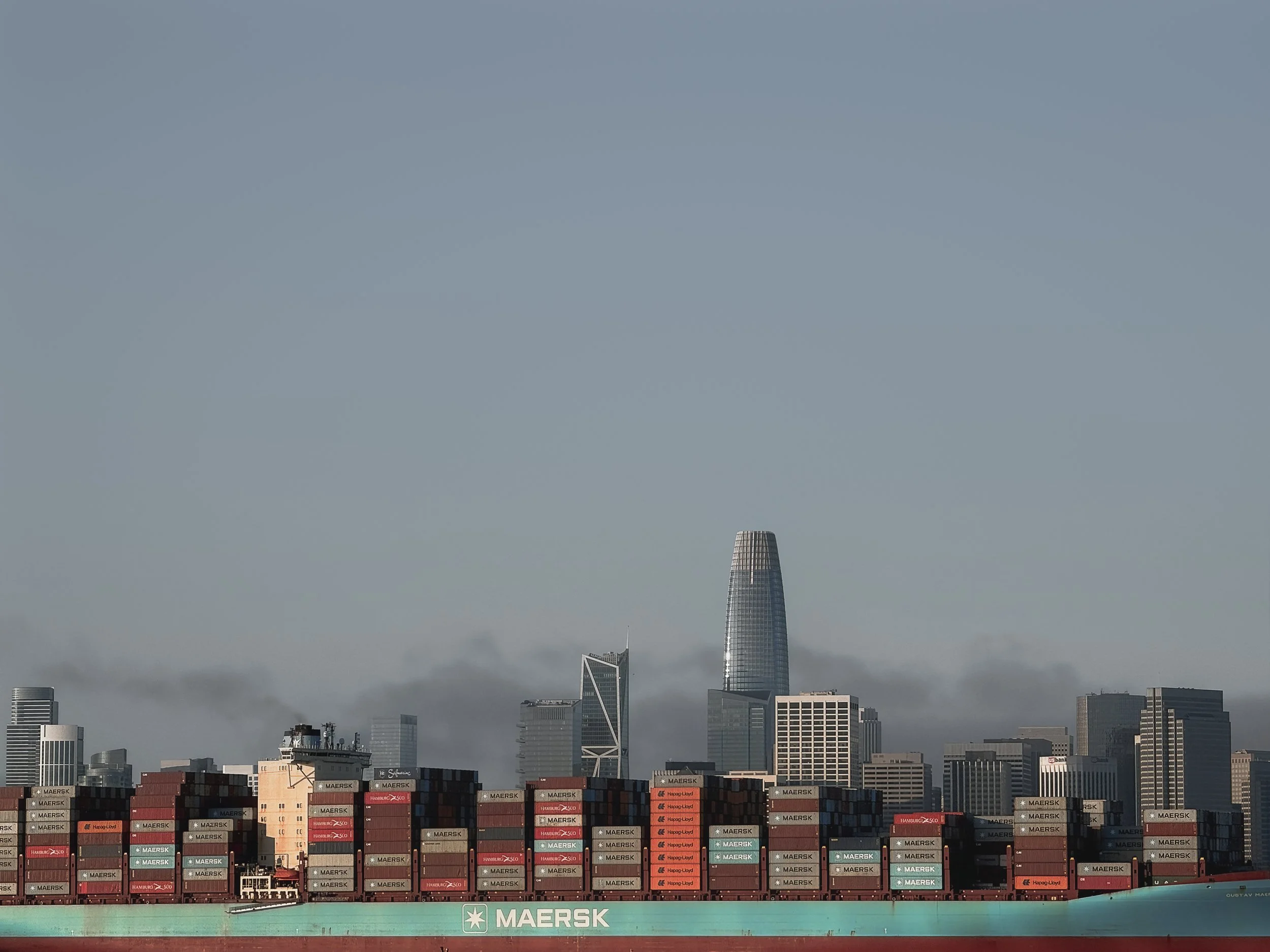
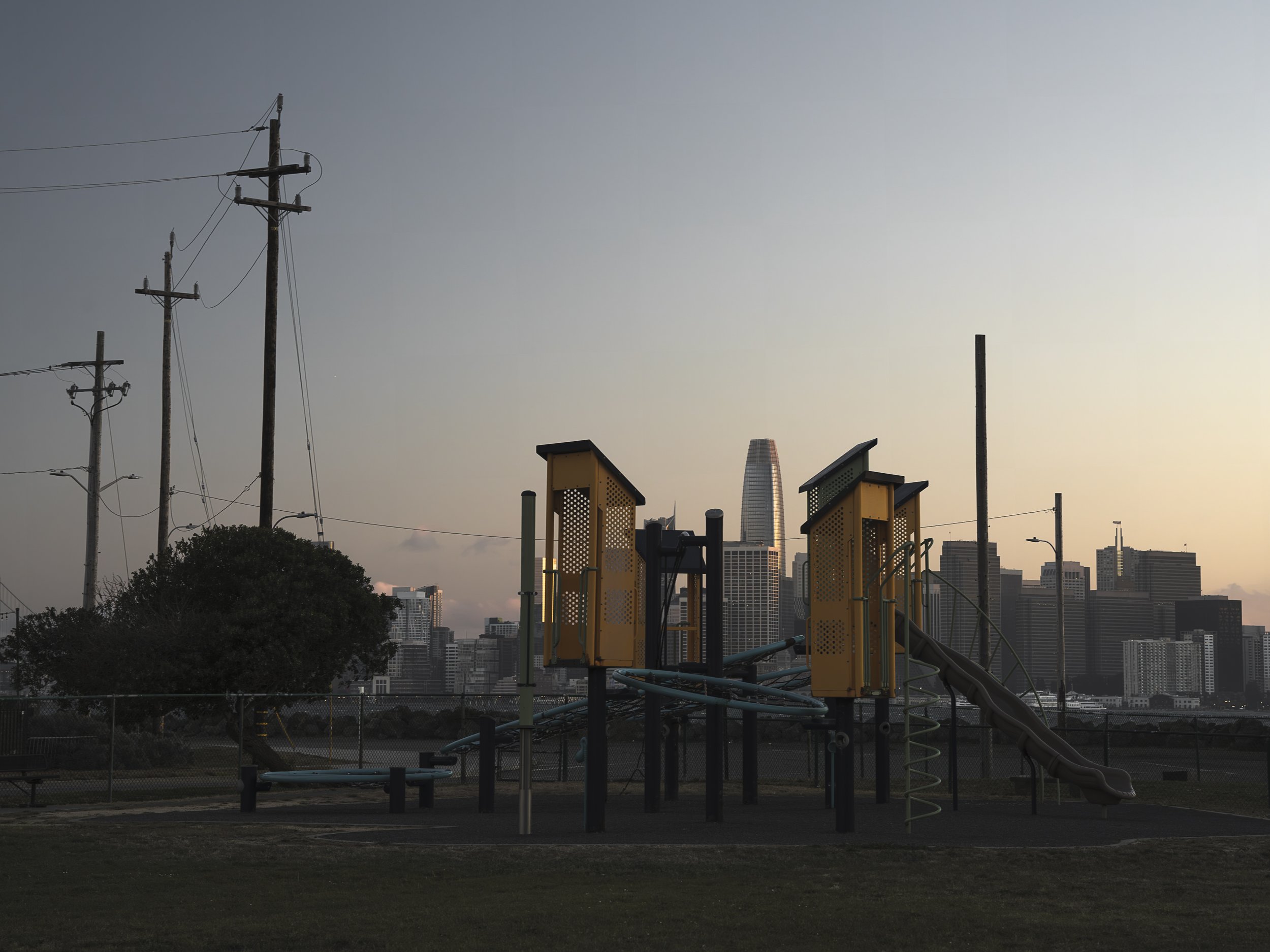
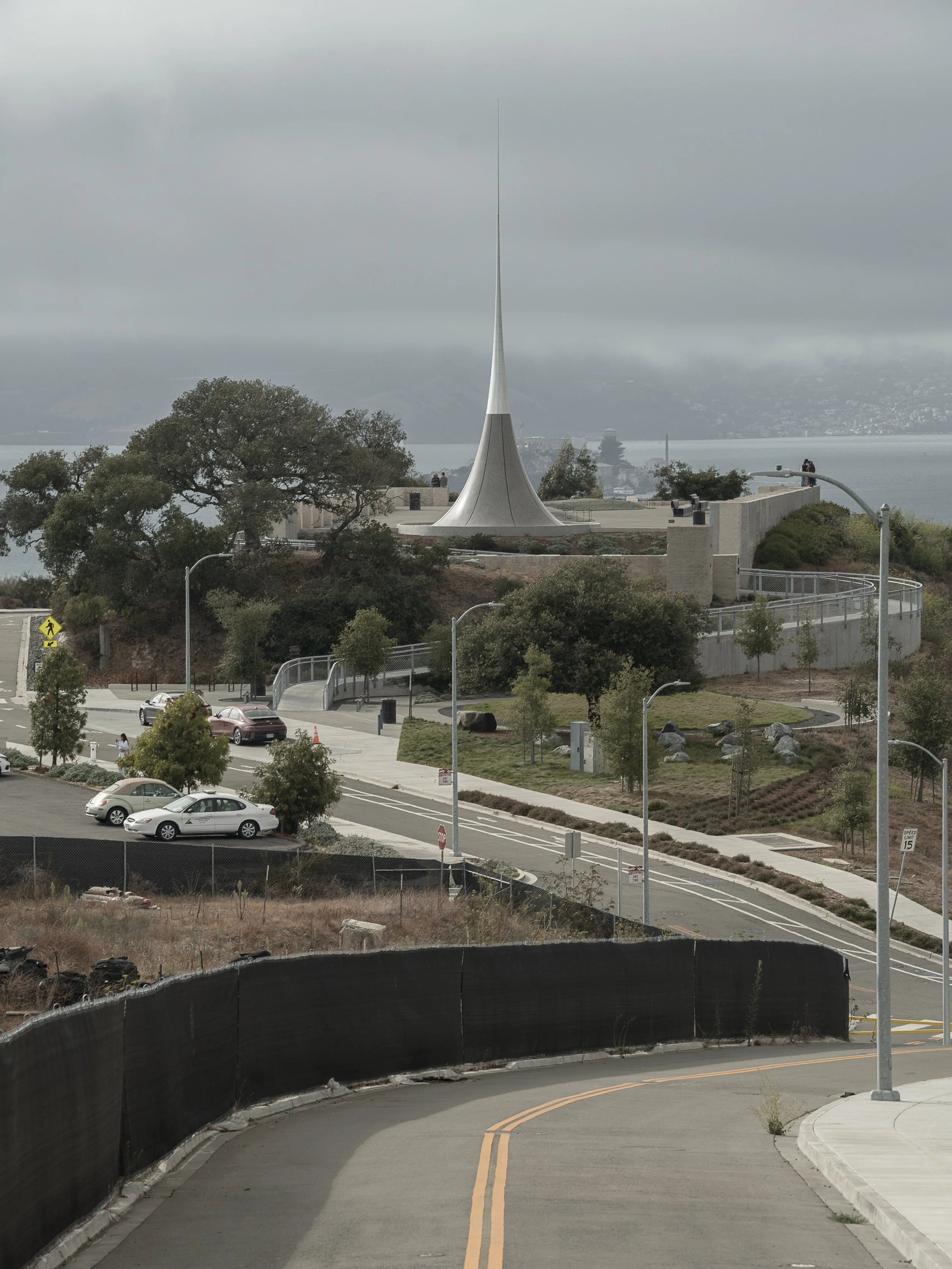
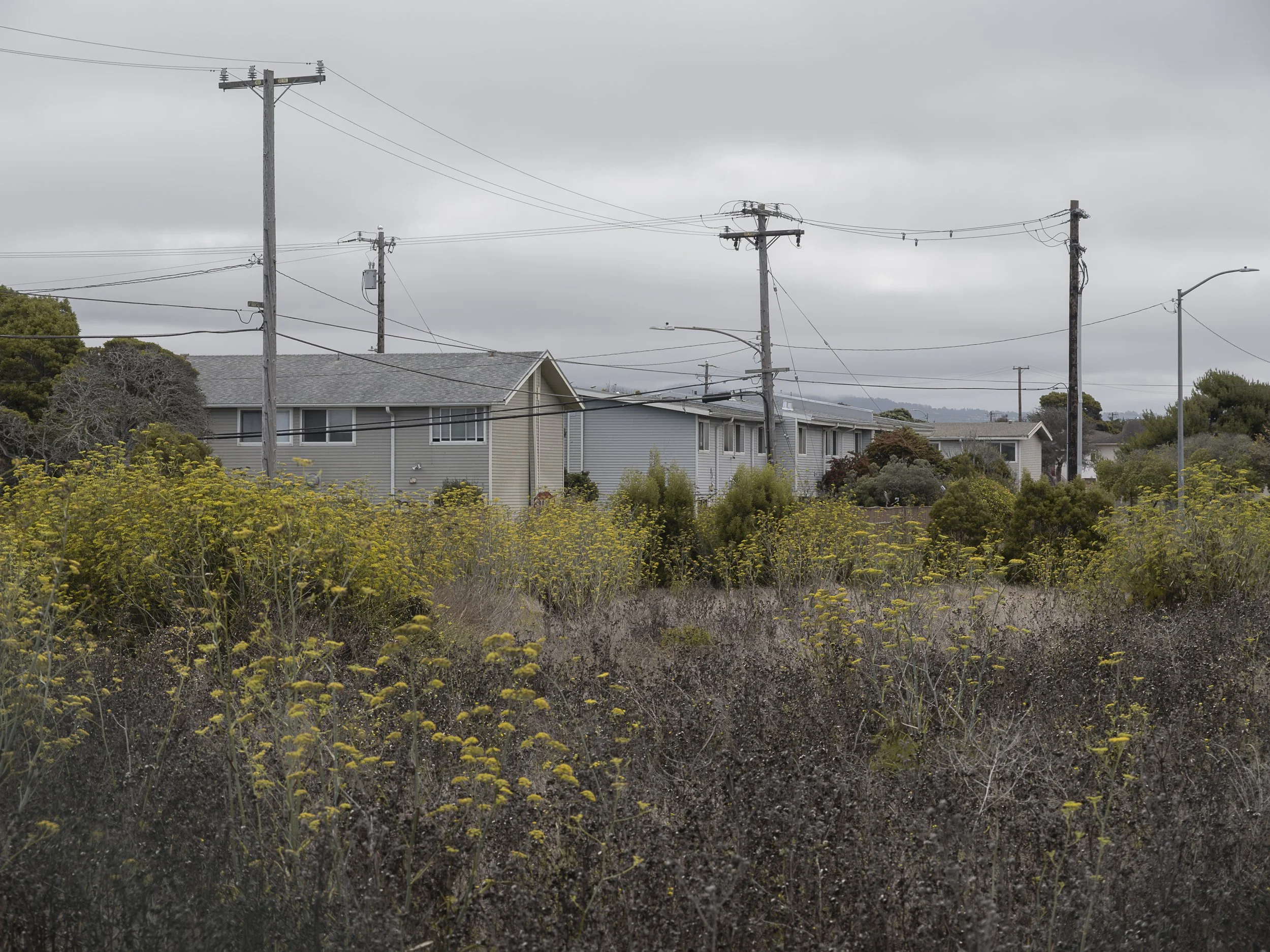
I live on Treasure Island and lately have been documenting the San Francisco island as it remakes itself yet another time in its storied, colorful history. The island is four hundred acres of bay mud dredged up in the 1930s to hold a world's fair, then handed to the Navy, then handed back, and it is now being rebuilt again as a neighborhood. And none of it is original ground.
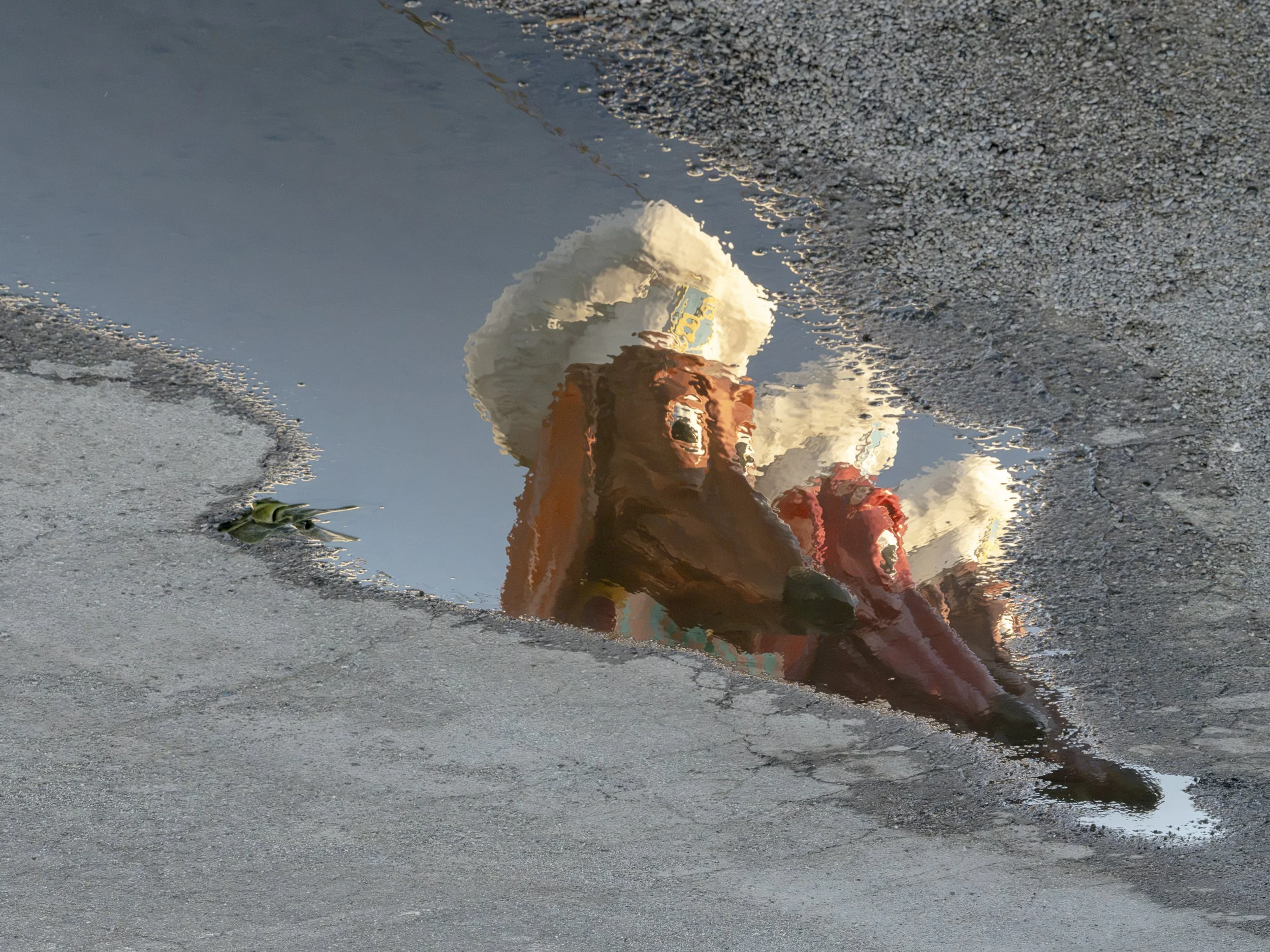
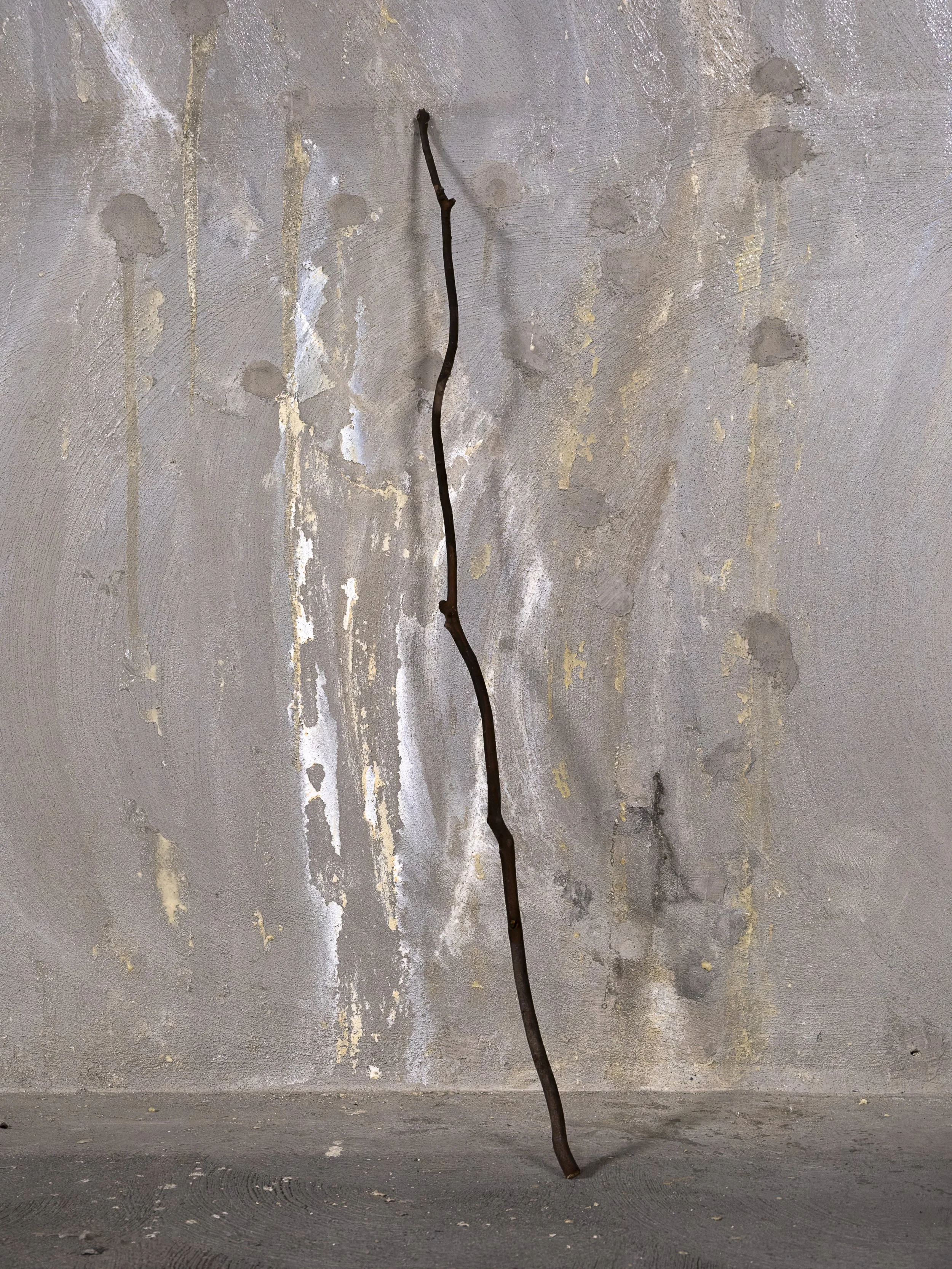
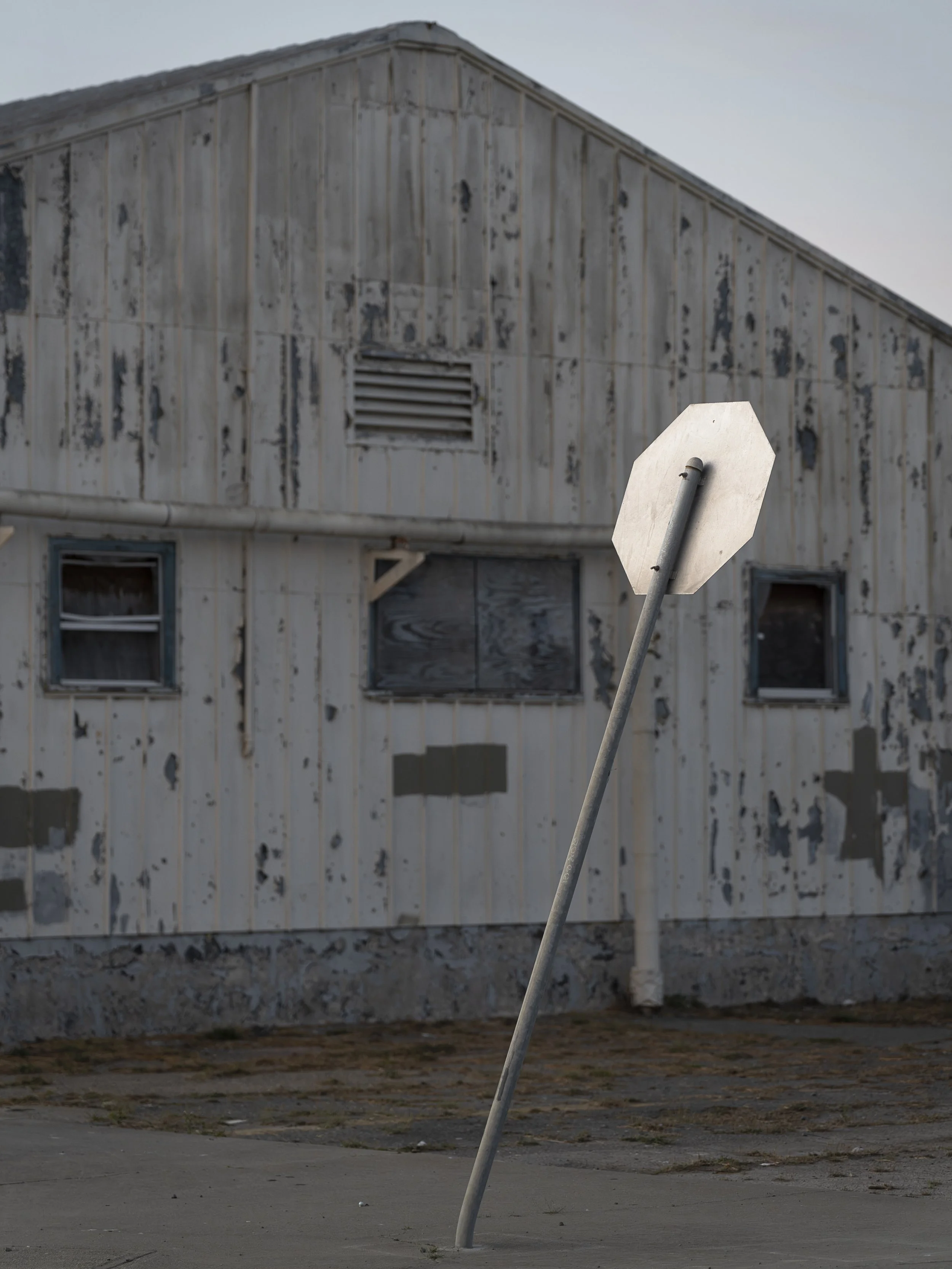
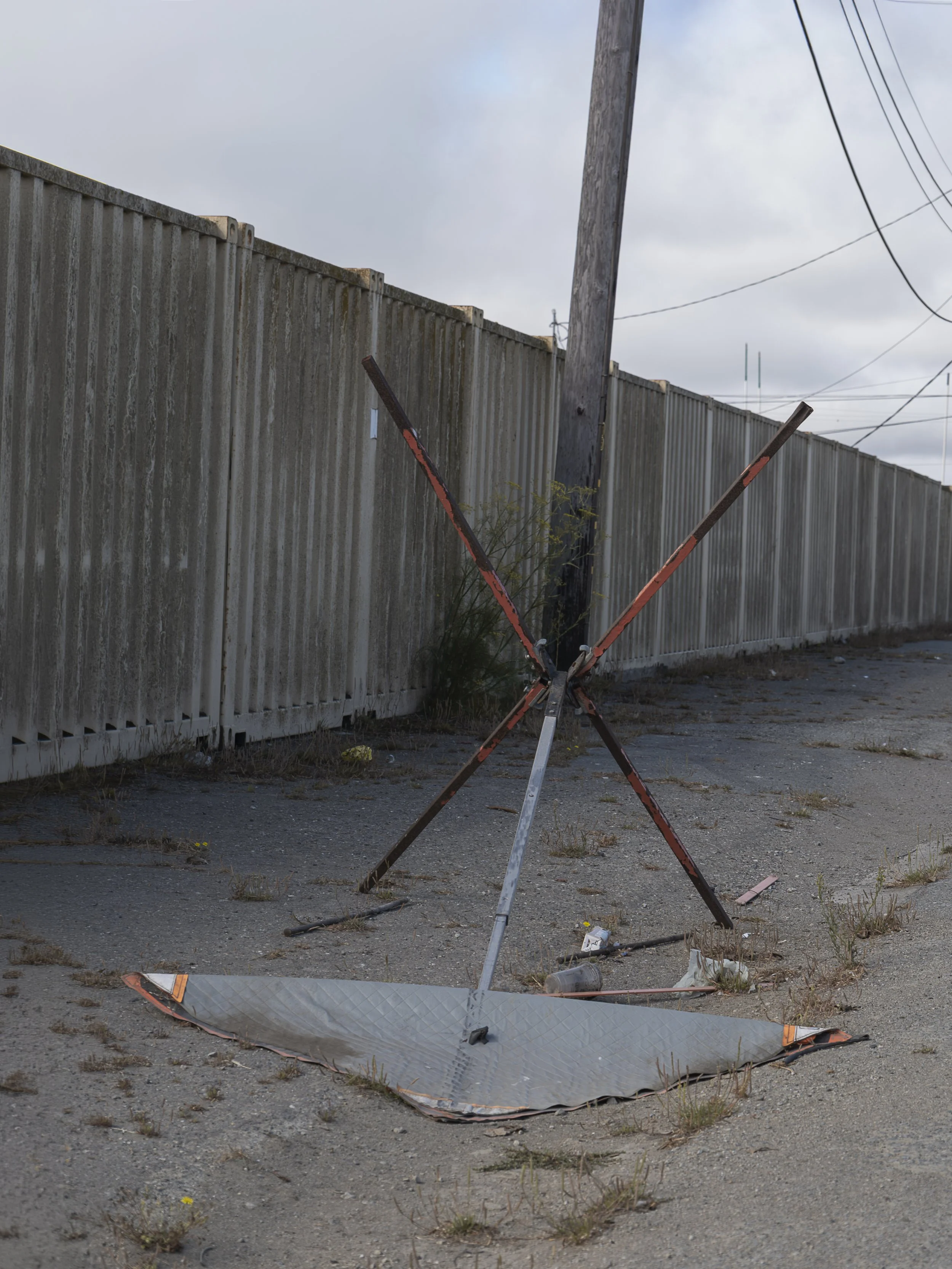
Because it is so often in transition, Treasure Island is commonly thought of as the messy back lot of SF. But I think transitions bring with them their own kind of oft-overlooked, natural sculptural order that even a city across the bay hyper-engineered to within an inch of itself can’t provide.
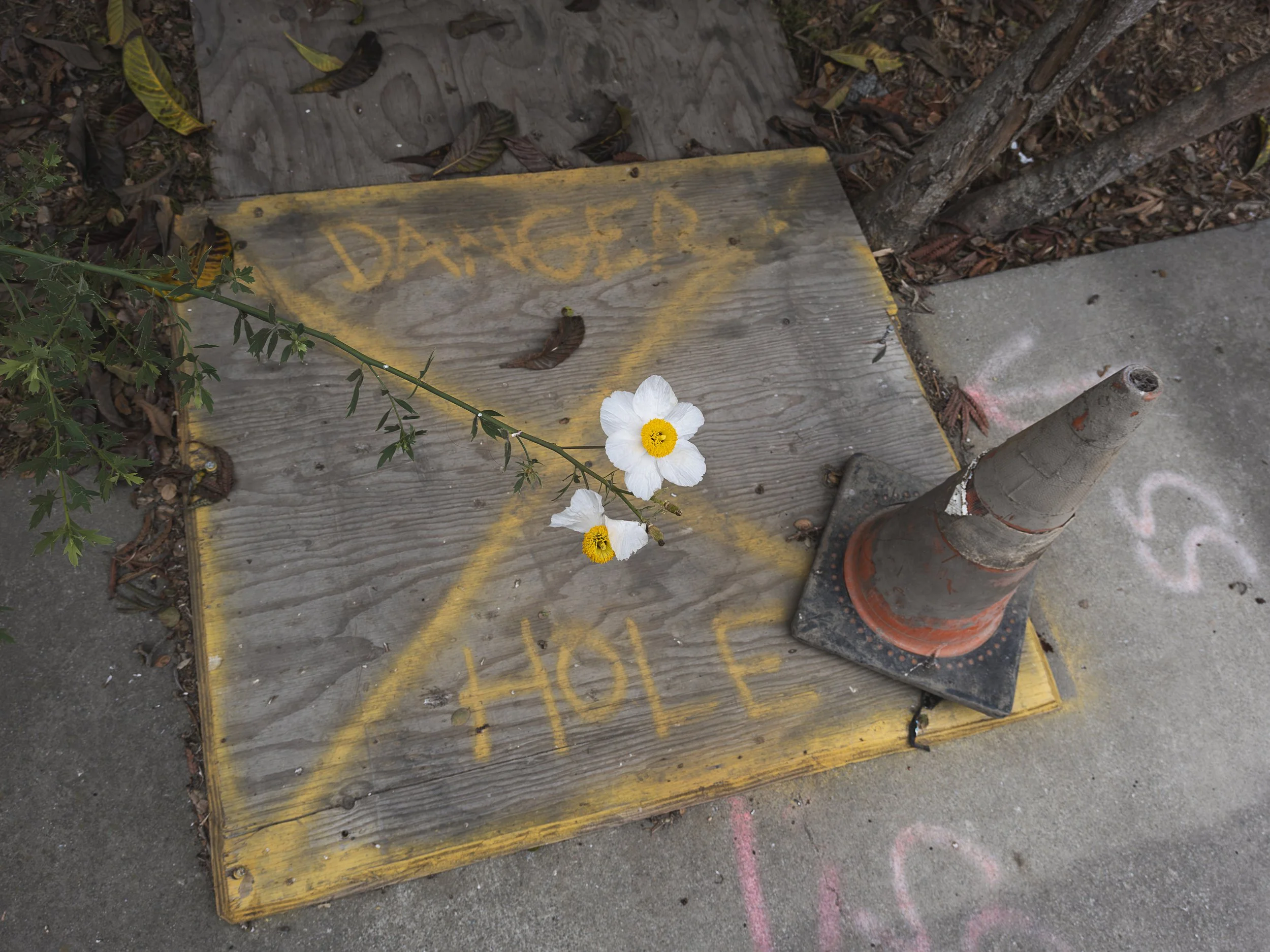
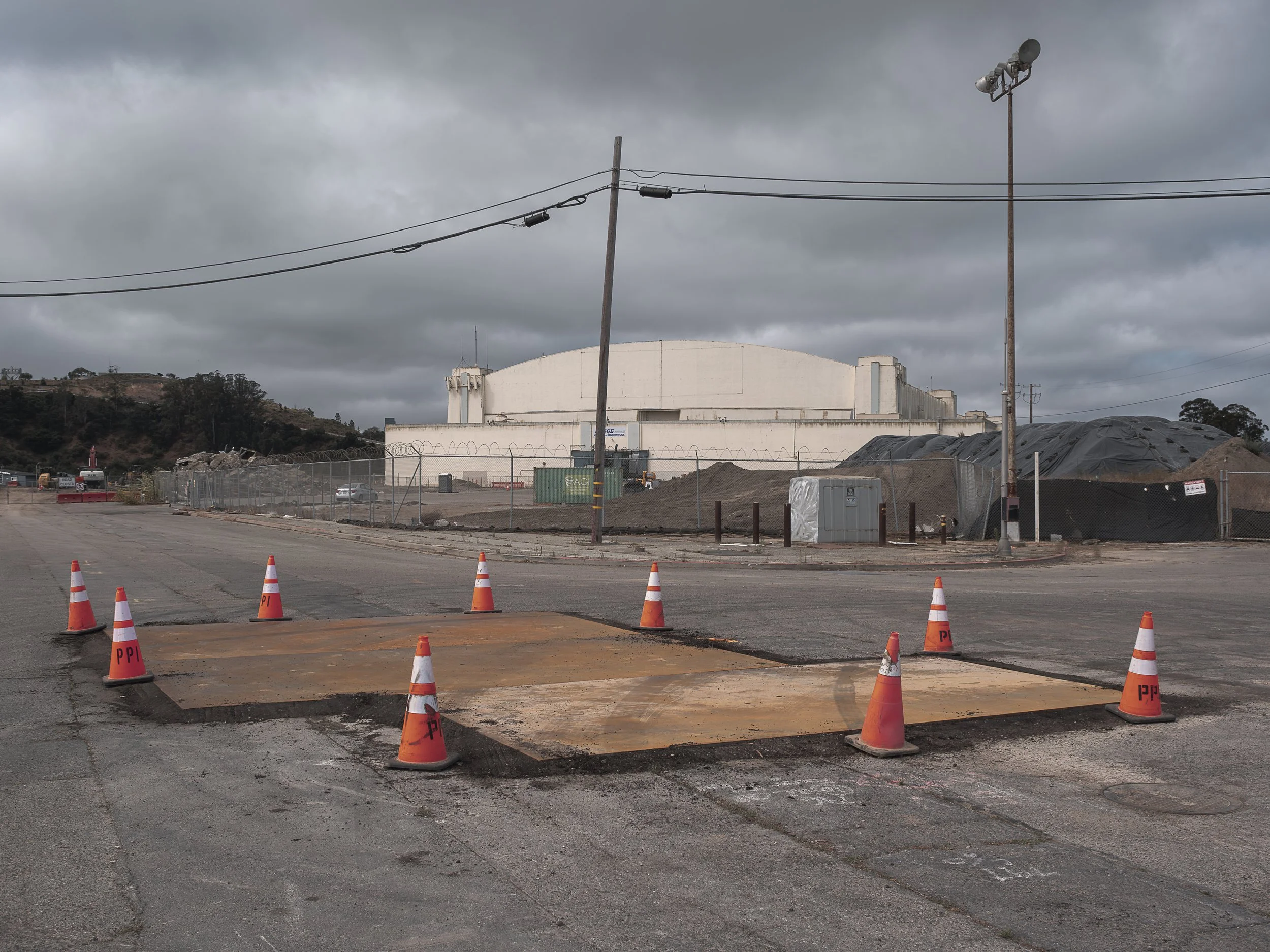
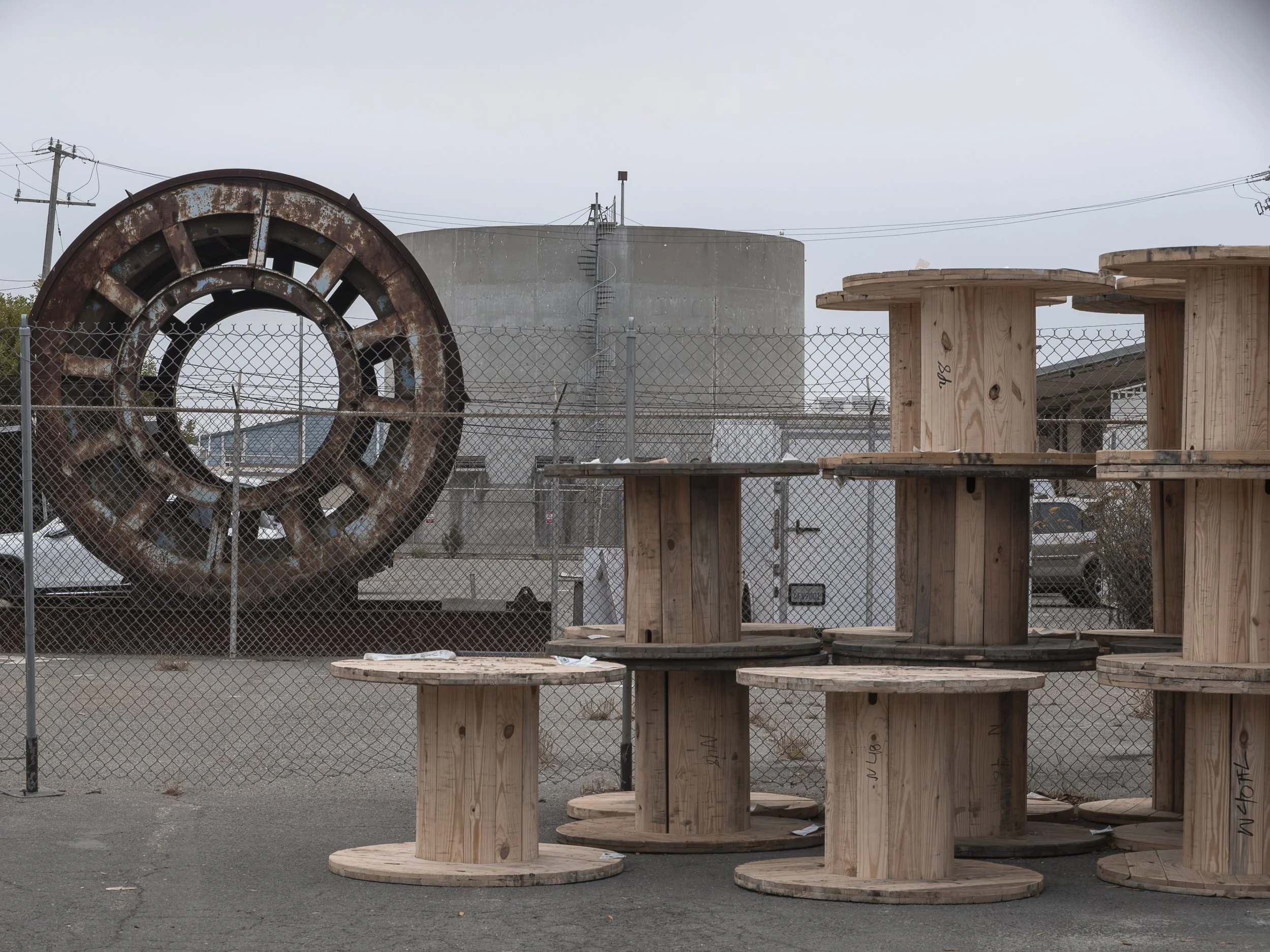
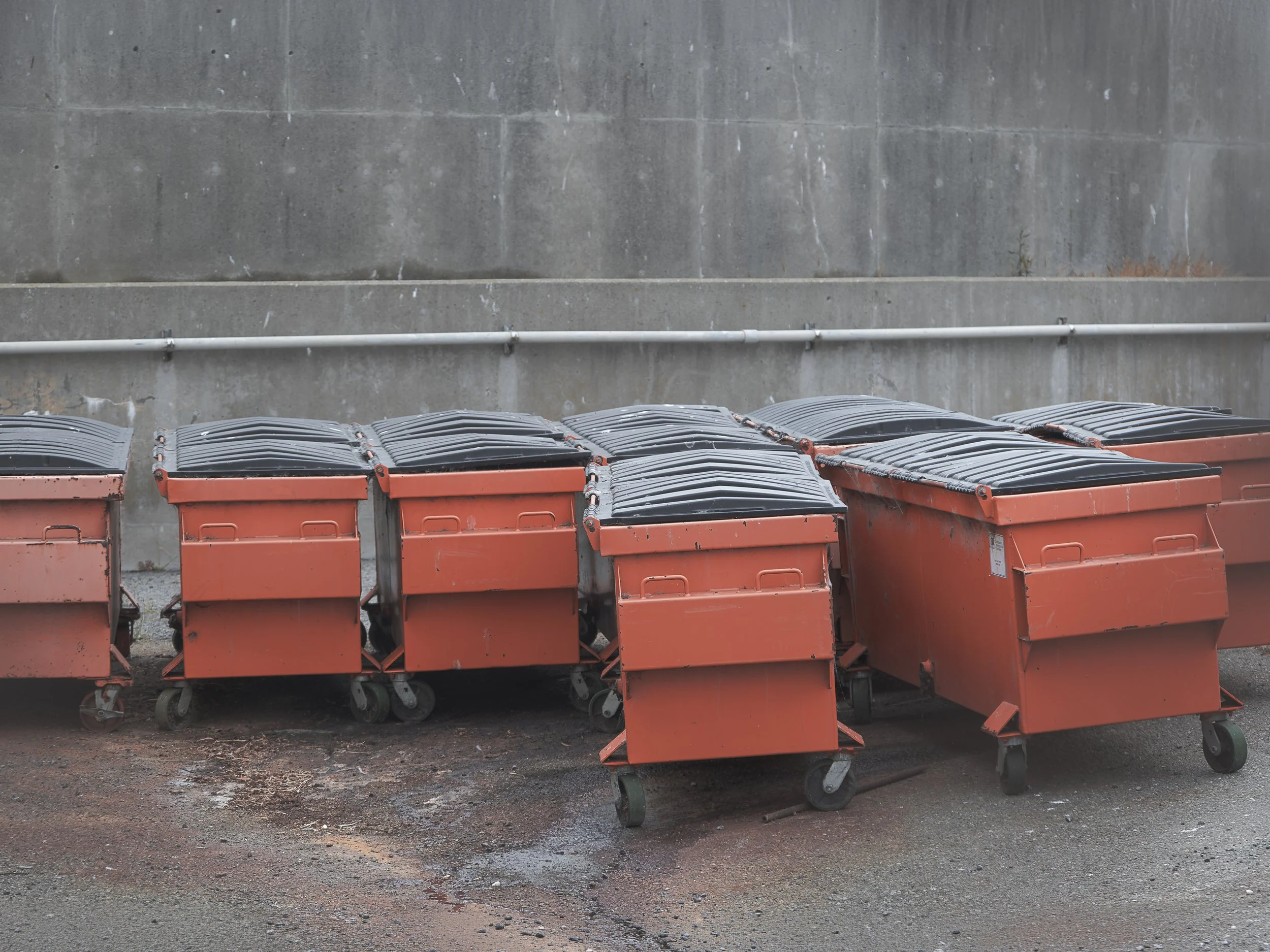
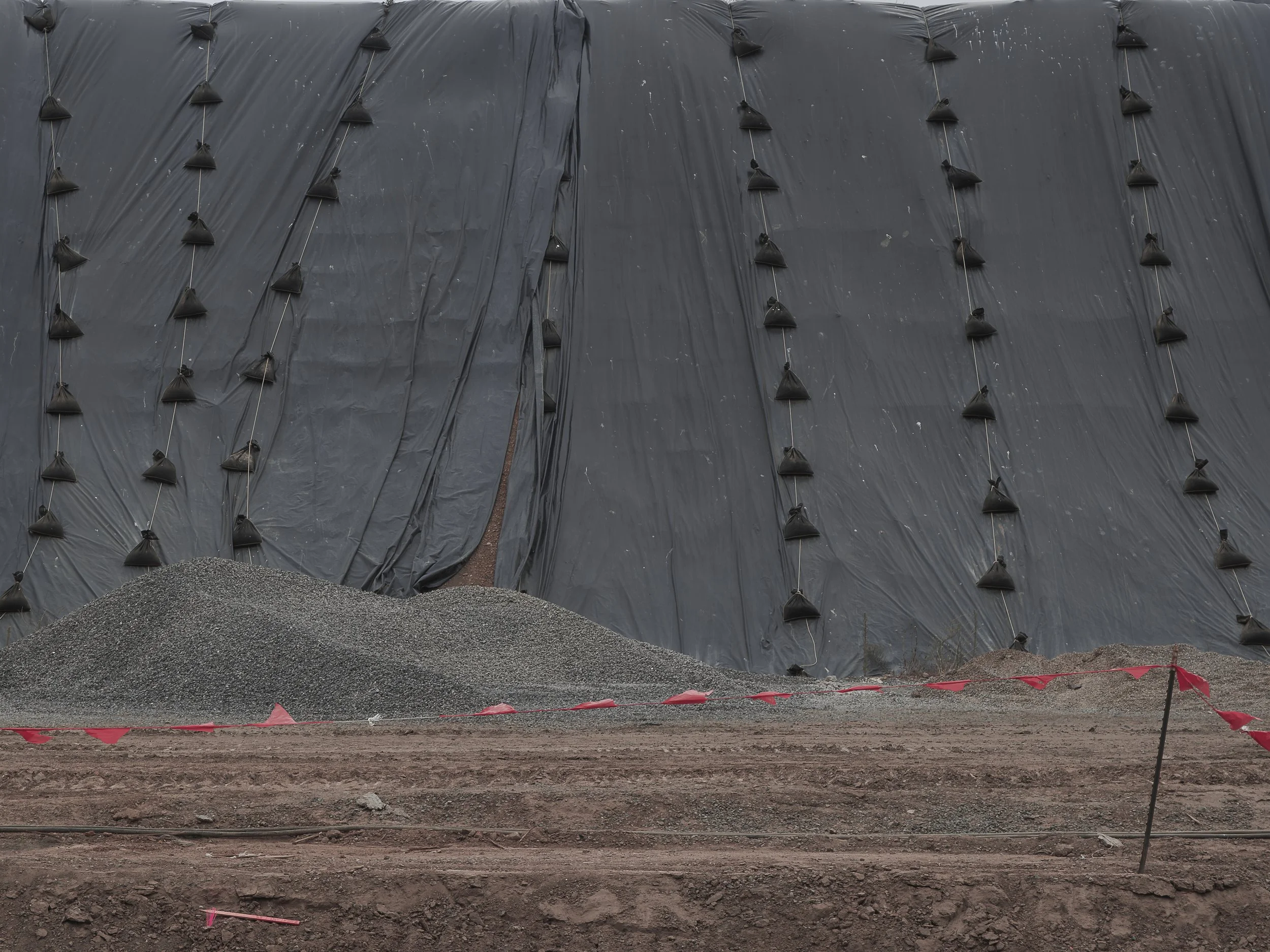
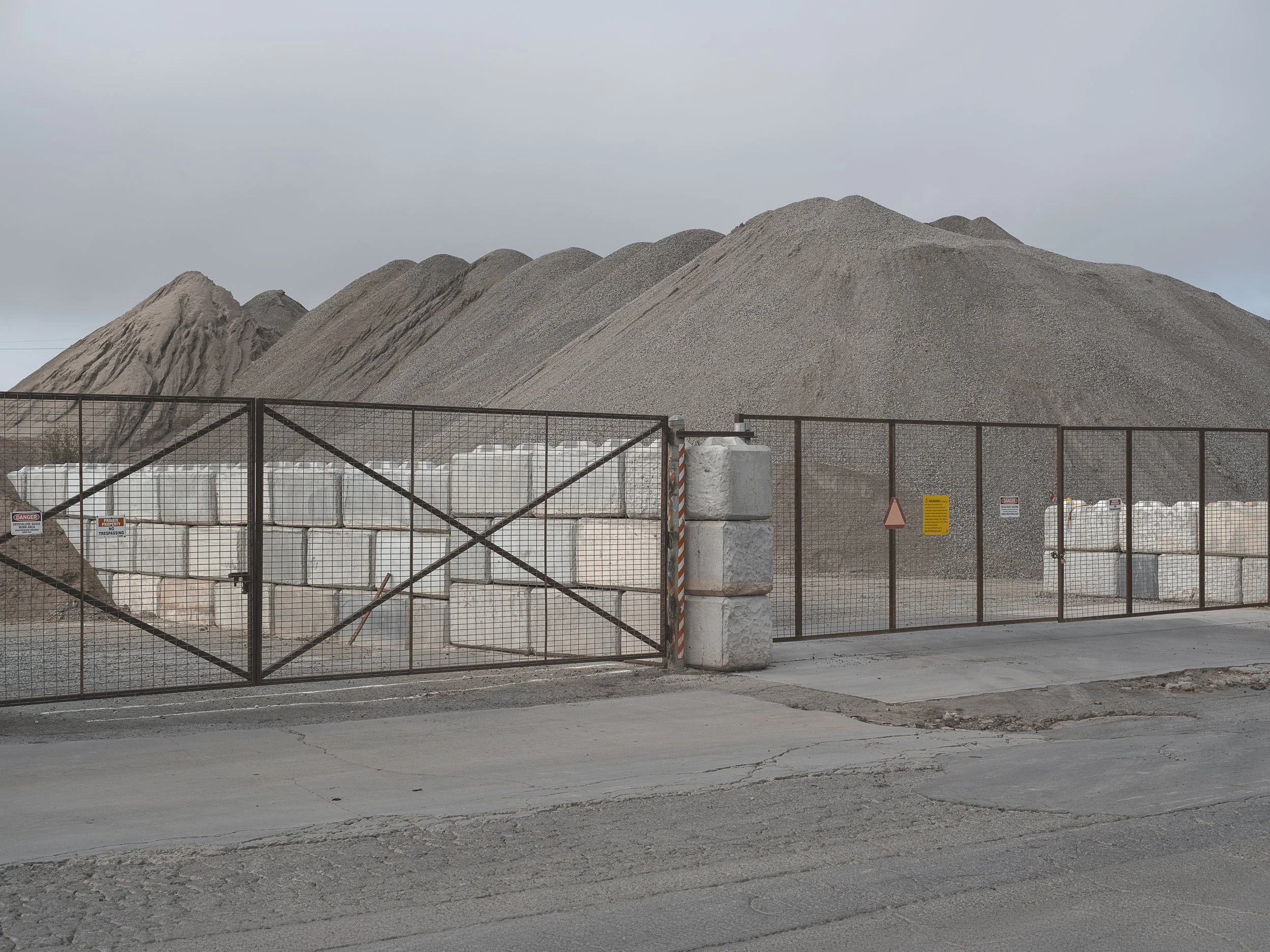
Additional images that have yet to be included in the main sequence.